


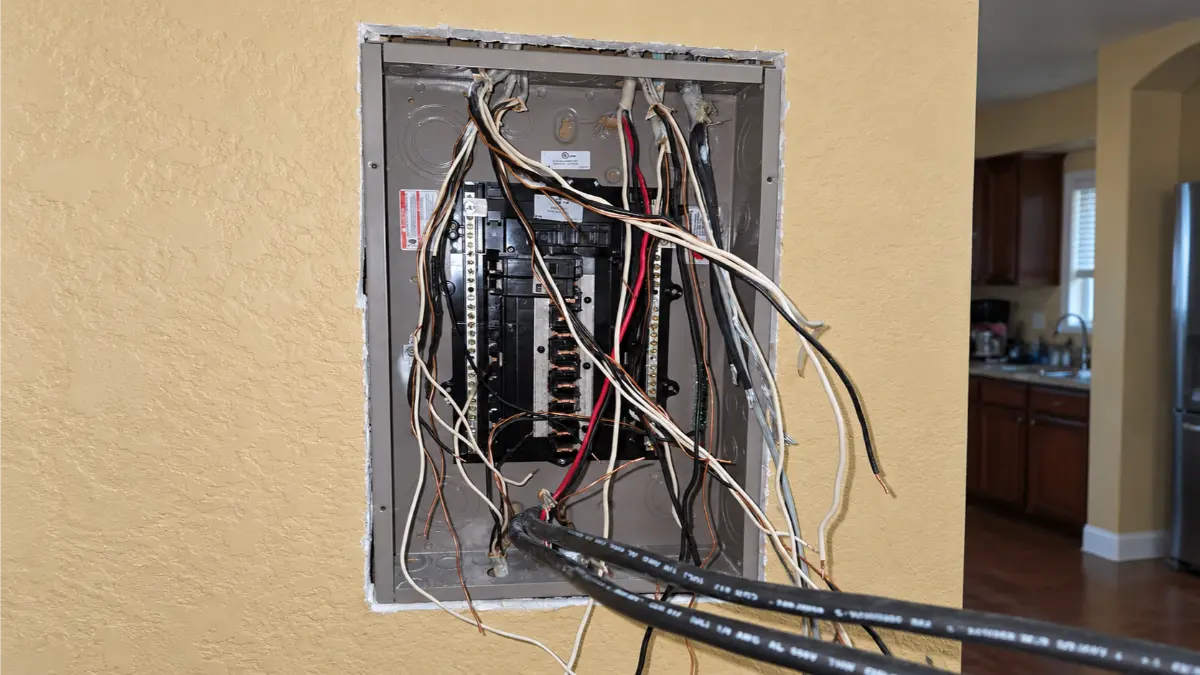
Before you buy an older home in Western Washington, I recommend having a licensed electrician inspect the electrical system separately from the general home inspection. I would do this when buying a home myself, because electrical problems are often hidden behind work that looks acceptable from the outside. Book it early in your inspection period, while there is still time to price the repairs and negotiate. A Washington home inspection includes a visual review of accessible electrical components, including the panel after accessible covers are removed, but its required scope stops short of several diagnostic steps an electrician may use. A house is a book written by many hands: the original builder, three owners, and a weekend DIYer. An electrician can take a deeper look at the chapters that need specialist evaluation.
I'm Serg Nikolin, co-owner of Product Air Heating, Cooling and Electric, a licensed HVAC and electrical contractor serving King and Snohomish counties. During one recent week of service calls, I ran roughly 10 calls and found signs of DIY electrical work in every home. In each one, I also found something I considered unsafe. Below, I cover what an electrical inspection checks, what fails, what to ask about cost, and how to use the report when you negotiate.
Quick Takeaways:
- Schedule a separate electrical inspection early, since a general home inspection does not cover every diagnostic step an electrician may use
- Older homes may hide DIY wiring, outdated components, missing GFCI protection, or insufficient panel capacity
- Get a written inspection report and repair quotes before closing so you can negotiate repairs or credits
Why Is a Standard Home Inspection Not Enough for an Older Home?
Under WAC 308-408C-110, a Washington home inspector documents the electrical service and branch wiring, checks representative switches, receptacles, and fixtures, and visually inspects main and branch circuit conductors after removing readily accessible panel covers. The rule does not require the inspector to insert a probe or testing device into the main or subpanels, operate circuit breakers, remove fuses, remove switch and receptacle cover plates, or inspect smoke, heat, or carbon monoxide detectors.
That is where a separate electrical inspection becomes useful. A licensed electrician can investigate electrical concerns beyond the home inspector's required scope and document what needs further attention. I tell buyers to choose the electrician themselves and ask for a written report showing what was checked and what was found. My concern is simple: the buyer should get an independent electrical assessment, not just enough information to keep the transaction moving. An electrical inspection should document what the electrician actually finds, even when those findings make the sale more complicated. When we inspect a property, if we find work that was done incorrectly or something we believe is unsafe, it goes into the report.
Which Older Homes in the Puget Sound Region Carry the Most Electrical Risk?
Age is the first clue. You can see how old your area's housing stock is in the U.S. Census Bureau's American Community Survey Table B25034, which breaks homes down by the decade in which each structure was built. Older homes deserve closer electrical scrutiny not because age alone makes a system unsafe, but because they are more likely to contain wiring, panels, additions, and modifications from several different periods.
Outdated wiring comes in several forms. The U.S. Consumer Product Safety Commission reported that roughly 1.5 million to 2 million homes were built with aluminum wiring systems installed between 1965 and 1973 and advises homeowners who suspect that wiring to have it inspected by an experienced electrician. CPSC also recognizes COPALUM and AlumiConn connectors as products that meet its standards for repairing the aluminum-wire fire hazard. Knob-and-tube wiring, fuse panels, and certain older panel types also deserve closer evaluation when they appear in an older home.
Capacity is the second clue. We do not need to upgrade the panel in most homes we visit. I would estimate that a 100-to-200-amp upgrade comes up in roughly 15 percent of the homes we see, more often in some of the older housing in Seattle, Kirkland, and Mercer Island. A panel can look perfectly serviceable for the home's current load and still be too small for what you plan to add. Heat pumps and EV chargers are two common upgrades that can expose that capacity problem.
We have also had projects where our technician was the only contractor who told the homeowner the existing panel needed to be upgraded before the planned work. The customer chose us because we were upfront about the limitation instead of simply finding a way to attach the new equipment to the existing service. That is the kind of issue I want identified before someone buys a house or commits to a major upgrade.
When Should You Schedule the Electrical Inspection for an Older Home?
When you buy a home in Washington State, the paperwork sets the clock. Schedule the electrical inspection early and read the seller disclosure statement when you receive it. Under RCW 64.06.030, unless the buyer has waived the disclosure or the parties have agreed to a different timeline, the seller must deliver the statement within five business days after mutual acceptance of the written agreement. The disclosure asks about defects in the electrical system, including wiring, switches, outlets, and service. The buyer generally has three business days after receiving it to accept the disclosure or rescind the agreement, unless the parties agreed otherwise.
Before making an offer on a house with an original panel or visible repairs, ask your real estate agent to write the electrical inspection into the offer. Waiting until the week of closing leaves no room to price the fixes. Home buyers who want to request an inspection from Product Air can call or use the form on our home electrical inspections page, and our inspection services run through licensed electricians only. When you are buying a house, your electrician should be the one person in the deal with no deal to close. Our licensed electricians serve Bellevue and more than 30 surrounding communities.
What Does a Whole House Electrical Inspection Look For?
A whole-house electrical inspection starts at the panel and follows the wire outward, with a professional inspection following a fixed route. Our technician opens the panel to check the condition of every breaker, confirms grounding and bonding, inspects the visible wiring, and tests outlets for GFCI protection. The signs we hunt for are overheating, corrosion, loose connections, double-tapped breakers, outdated components, and improper modifications.
GFCI protection is one thing I pay particular attention to in wet areas. We recently visited a home built in 2004 where the laundry did not have the GFCI protection the washing-machine circuit needed. Problems like this often show up after DIY changes because someone replaces a more expensive protective receptacle with a standard outlet without understanding why the protection was there.
Ask the electrician for a written report showing what was inspected and what was found. The goal is not simply to get a clean report, but to document anything that looks unsafe, improperly modified, or inconsistent with professional electrical work.
Which Electrical Issues Commonly Fail an Inspection in Older Homes?
DIY work tops the list. In the Mukilteo case on our blog, a homeowner's self-wiring and an unlicensed HVAC contractor's electrical work added up to $5,000 in corrections and a real fire hazard. "Why Houses Burn in Washington" cites the U.S. Fire Administration: 23,700 residential electrical fires in 2023 and 305 deaths. Its sharpest line is the one I repeat to buyers: "That's where the fire starts. Not in the wall. In the decision made before the work began."
Depending on the age and history of the house, an electrician may also encounter outdated wiring, improperly sized breakers, ungrounded outlets, older panels, missing GFCI protection, or previous modifications that need closer evaluation. Aluminum wiring, knob-and-tube wiring, fuse boxes, and certain older panel types may also require additional attention.
Knob-and-tube wiring comes with a rule that surprises buyers. Under WAC 296-46B-394, insulation may cover it only if a licensed electrical contractor surveys the wiring and certifies it in good condition, the insulation is Class I, and every circuit has proper overcurrent protection. Foam insulation is prohibited over it. Carbon monoxide detectors have a sale rule of their own: under RCW 19.27.530, the seller of an owner-occupied single-family home must equip it with carbon monoxide alarms before the buyer occupies it. We install them through our smoke and carbon monoxide detector service when a home arrives without them.
What Else Belongs on the Home Inspection Checklist?
Wiring is only one part of what you are buying. The home inspection process runs on two tracks: the home inspector surveys the whole house, whereas specialists go deeper on one system. Inspect the property with that split in mind. Pay close attention to the roof, the attic, its ventilation, and the insulation, because water that enters there finds the wiring next. Look for signs of leaks on ceilings, signs of water on framing, and any water damage around windows. Moisture issues in an attic or crawl space lead to mold, and mold is an indoor air quality problem you inherit with the keys.
Walk the lot too. Gutters, downspouts, and drainage should carry rain away from the foundation, and cracks in the foundation deserve a structural opinion. A sewer scope, which sends a camera down the sewer line, shows roots and breaks that are costly to repair, far costlier than a loose outlet. When a bathroom has been remodeled, have a plumber and an electrician review the plumbing and electrical systems together, because electrical and plumbing mistakes hide in the same walls. An HVAC technician can check the furnace and the water heater for age and note whether the ducts reach every room. A pest report closes the loop.
Planning a renovation? Product Air is a licensed HVAC and electrical contractor, so the heating and cooling systems and the circuits behind them get checked in one visit. Call your home insurance agent before closing and ask what the carrier requires of the panel and wiring.
How Much Does an Electrical Inspection Cost, and Who May Do the Work?
Product Air does not publish a flat price for a pre-purchase electrical inspection, so ask for a written quote based on the home and the inspection scope before the visit. Rather than comparing against a general home-inspection average, focus on what the electrician will check and whether you will receive written findings you can use before closing.
Who may do the repairs once the report is in? Under RCW 19.28.261, an owner may perform electrical work on property they own without holding an electrician's license, subject to statutory exceptions, including work on property offered for sale within 12 months after the owner obtained it.
Most electrical work requires a permit, although specific exemptions apply. If a permit is required, the electrical contractor or owner doing the work must obtain it, and the inspection comes from L&I or the local jurisdiction responsible for electrical permits at that address. A handyman license does not authorize electrical work, as our guide on electrical work in Washington explains.
How Do You Turn the Inspection Report Into Repairs or Credits?
Take the report to your real estate agent with a licensed electrician's quote for each item, and ask for repairs or credits. A number beats a feeling at the negotiating table. Sort every item into three piles: fix now, fix with the renovation, and decide to repair or replace. A hazard goes in the first pile every time. A panel on borrowed time goes in the second. An aluminum circuit or a knob-and-tube run is a decision that depends on your budget and your timeline, and the quote gives you the facts. Do all of this before your mortgage closes, because afterward the repair is yours alone and repairs can be expensive. A clear report also helps you avoid issues in the future.
My job is to give the homeowner the right information and explain what the electrical system can and cannot safely support. I do not want the customer pushed into a decision. I want them to understand the situation well enough to make the decision themselves. If you want a second set of eyes before you sign anything, call "your tech brother from another mother." We analyze the panel, write down what we find, and give you peace of mind with the numbers to back it up. Product Air holds WA license #604346979, and Marysville, Issaquah, and Seattle offices cover Snohomish and King counties.
FAQ
Should I Get an Electrical Inspection Before Buying an Older Home in Western Washington?
Yes. A Washington home inspection includes a visual review of accessible electrical components and requires the inspector to visually inspect conductors after removing readily accessible panel covers, but the rule does not require diagnostic probing, operation of circuit breakers, or removal of switch and receptacle cover plates. A separate electrical inspection lets a licensed electrician investigate concerns that need specialist evaluation. In about 10 recent Product Air service calls, I found evidence of DIY electrical work in every home, and each contained something I considered unsafe.
How Much Does an Electrical Inspection Typically Cost in Washington State?
We don't publish a flat price for a pre-purchase electrical inspection. Ask for a written quote before booking and confirm what the inspection covers and whether the electrician will provide written findings you can use when evaluating the home.
What Does an Electrical Inspection Look For in an Older Home?
An electrician checks how the electrical system is operating and how previous work was performed. Our technicians may use a voltmeter, outlet and GFCI testers, and wire tracers to check power, grounding, and circuit conditions. I also recommend asking for a written report showing what was inspected and what was found.
What Electrical Issues Commonly Fail an Inspection in Older Homes?
DIY electrical work is one of the biggest concerns I see. Depending on the house, an electrician may also find missing GFCI protection, ungrounded outlets, outdated wiring or panels, improperly sized breakers, or previous modifications that need closer evaluation.
Can a Homeowner Perform Electrical Work in Washington State?
Yes, Washington law allows an owner to perform electrical work on property they own without holding an electrician's license, subject to the exceptions in RCW 19.28.261. Most electrical work still requires a permit and inspection, although L&I lists specific permit exemptions. Depending on the property's location, the permit and inspection may be handled by L&I or by a city with its own electrical inspection program.
When Should I Schedule an Electrical Inspection for an Older Home?
Schedule it early in your inspection period. The seller delivers the disclosure statement within five business days of mutual acceptance, and you have three business days from delivery to rescind. An inspection booked early leaves time to collect quotes and negotiate repairs or credits.
What Are Common Electrical Problems in Older Homes in Western Washington?
DIY electrical work, missing GFCI protection, outdated electrical components, improperly modified wiring, and panels that may not have enough capacity for planned upgrades are all issues worth closer evaluation in an older home.
What Are the Benefits of a Whole House Electrical Safety Inspection?
You learn the panel's condition, the wiring type, and the grounding before you own the problem. You get a list of hazards with quotes attached, which supports a request for repairs or credits. You also learn whether the service can carry a heat pump or EV charger, so renovation plans start on solid ground.
PLAN YOUR NEXT STEP
Need help with your home comfort?
Explore Product Air’s electrical services or contact the team.
Share this guide