


How to Keep the Heat On During a Power Outage
If your main concern is keeping your family warm through a winter power outage, I would start by looking at an automatic standby generator. A properly designed system can restore power to your heating equipment and other essentials without someone having to go outside, start an engine, and connect cords in the middle of a storm. It can do that when you're away from home, too.
The first conversation should be about how you want to live during an outage. Do you need heat, refrigeration, lights, and a few outlets? Does your home depend on a well pump or sump pump? Would you also like to cook, do laundry, and charge an EV as usual? Those answers help determine the generator, fuel supply, and electrical work your home actually needs.
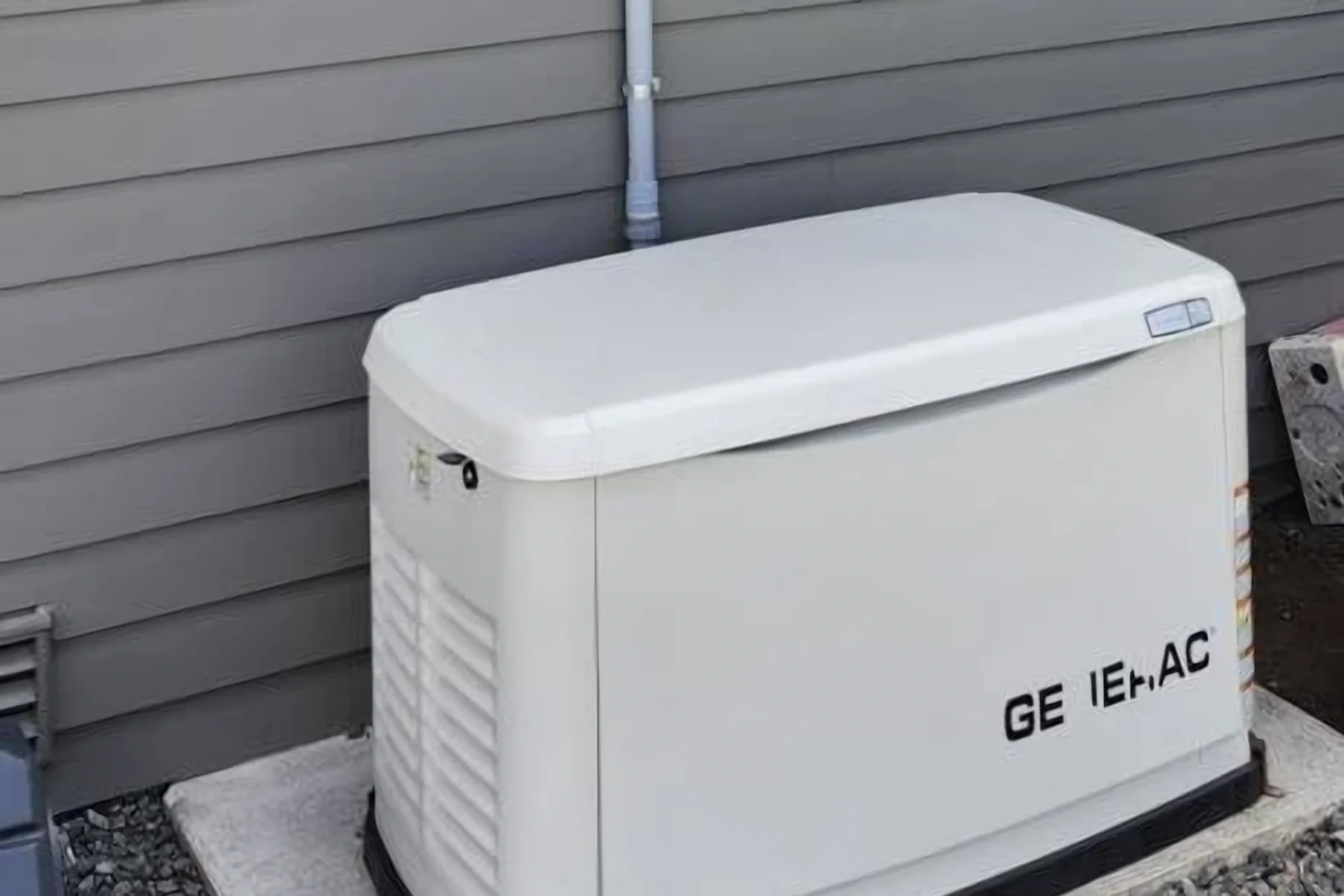
Related reference: Product Air’s Arlington generator hookup case.
What happens when the power goes out
A home standby generator sits outdoors and typically runs on natural gas or propane. An automatic transfer switch monitors utility power. When it detects an outage, the system follows its programmed sequence, starts the generator, and transfers the circuits it serves once the generator is ready.
The transfer equipment keeps generator power separated from the utility supply. That isolation prevents electricity from feeding back onto lines where crews may be working. When utility power returns and remains stable, the system transfers the home back, lets the generator complete its cooldown, and shuts it down. Generac explains this operating sequence in its home standby FAQ.
There is still a brief interruption. The exact timing depends on the equipment and its settings, so a computer or router may restart before generator power becomes available. If you need certain electronics to stay on continuously, discuss a suitable uninterruptible power supply, or UPS, as part of the plan.
What whole house backup means for your family
Some installations serve selected circuits. Others connect through the main panel and use enough generator capacity, load management, or a combination of both to support a broader range of appliances. You need to know which arrangement you're being offered.
Connecting the whole panel does not give a generator unlimited capacity. Ask the installer which appliances will have backup power and which may run at the same time.
For example, a family might choose to keep the heating, refrigerator, lights, and essential outlets running while leaving the dryer and EV charger off. Another family may want to use most of the house normally. Both are reasonable goals, but they can lead to different equipment and installation requirements. I would want that difference spelled out before you approve a proposal.
Your heating system has to be part of the electrical plan
A gas furnace still needs electricity for its controls, blower, and ignition system. Having gas available doesn't keep the house warm if those components have no power. Snohomish County PUD's generator guidance specifically addresses the need for electrical power to operate gas heating equipment.
A portable generator sitting outside doesn't automatically solve that problem. The furnace needs a suitable, professionally designed connection through approved transfer equipment. Running an extension cord toward the furnace isn't a substitute for planning that connection.
With a heat pump, the installer needs to account for the outdoor unit, the indoor equipment, and any electric auxiliary heat. Powering the thermostat or indoor fan alone won't give you a functioning heating system.
Why heat pump sizing needs a closer look
I would start with the exact equipment models and their electrical requirements. The number on a circuit breaker isn't a complete description of how much power the equipment uses or what the generator must provide.
Some motors need substantially more power to start than they use once running. Inverter-driven equipment behaves differently from conventional equipment, so the starting requirements need to be checked for your particular system. The generator also has to handle the other appliances operating at that moment. Cummins explains the distinction between running requirements and starting requirements in its sizing guidance.
Electric resistance backup heat can make a substantial difference. Those heating elements may turn on when the system needs additional heat, including during certain defrost sequences, depending on the equipment and controls. A plan that accounts for the compressor but overlooks the electric heaters can fall short when you need it most. The heat pump homeowner guide hosted by the U.S. Department of Energy explains auxiliary heat and how system operation affects electricity use.
Don't disable those heaters or change installer settings yourself to make a smaller generator work. Your HVAC technician and electrician need to determine whether the system can maintain adequate heat under the proposed backup arrangement.
When each floor has its own system
If you have one heat pump for the first floor and another for the second, both need to be included if you expect both floors to stay heated. The design also needs to address what happens when the systems restart, possibly while other equipment is running.
Backing up only one system can be an option, provided you understand the limitation. I wouldn't promise that an upstairs bedroom will stay comfortable just because heat rises. The floor plan, closed doors, insulation, and outdoor conditions all affect how heat moves through the house.
How load management can help
You may not need every large appliance operating at once. Compatible load management equipment can temporarily keep a lower-priority appliance from running while power is needed elsewhere. Depending on the design, that could mean delaying an electric water heater or EV charger while protecting capacity for heating.
Generac's explanation of its Smart Management Module describes one manufacturer's approach. The controls have to suit the generator and the appliances involved. Before installation, you should know which appliances may be interrupted and what to expect during an outage.
When comparing equipment, I would also look at local service support, parts availability, and warranty terms. Ask for the exact generator, transfer switch, and load management equipment in the written proposal. That makes it much easier to compare what two installers are offering.
Related reference: Generac, Cummins QuietConnect.
Check the fuel supply before choosing the generator
An existing natural gas connection doesn't necessarily mean the meter and piping can supply a generator along with your other gas appliances. The installer needs to evaluate the combined demand from the generator, furnace, water heater, and any other equipment that may operate simultaneously.
Fuel consumption varies by generator and how much power it's producing. Generac's fuel consumption guidance points homeowners toward model-specific information. The utility evaluates any necessary changes to its meter or service, while the contractor handles the piping work within the contractor's scope. Identifying those needs early helps avoid surprises after equipment has been selected.
For a propane installation, the discussion also includes usable fuel in the tank, expected consumption, and delivery arrangements during an extended outage. Tank size, cold-weather vaporization, regulators, and piping all affect the supply. Generac's overview of generator fuels explains the basic differences between fuel options.
I wouldn't promise a set number of days from a propane tank without checking the equipment and expected use. A household running heat and essentials will use fuel differently from one operating several large appliances throughout the day.
Where the generator goes matters in Western Washington
Standby equipment is built for outdoor installation, but that doesn't make it floodproof. The location needs to account for drainage, a suitable foundation, service access, and conditions around the house during heavy rain or snow.
It also needs the clearances required for that model and location. Windows, doors, air intakes, nearby structures, and combustible materials all affect placement. Generac's buyer's guide introduces these planning considerations, but the installation manual and applicable local requirements determine what works at your property.
Don't build an improvised enclosure around the unit to keep it dry or quiet. Restricting airflow or trapping exhaust can create a dangerous situation. A generator must never run inside a garage, even with the door open. Washington's Department of Health explains the carbon monoxide risk.
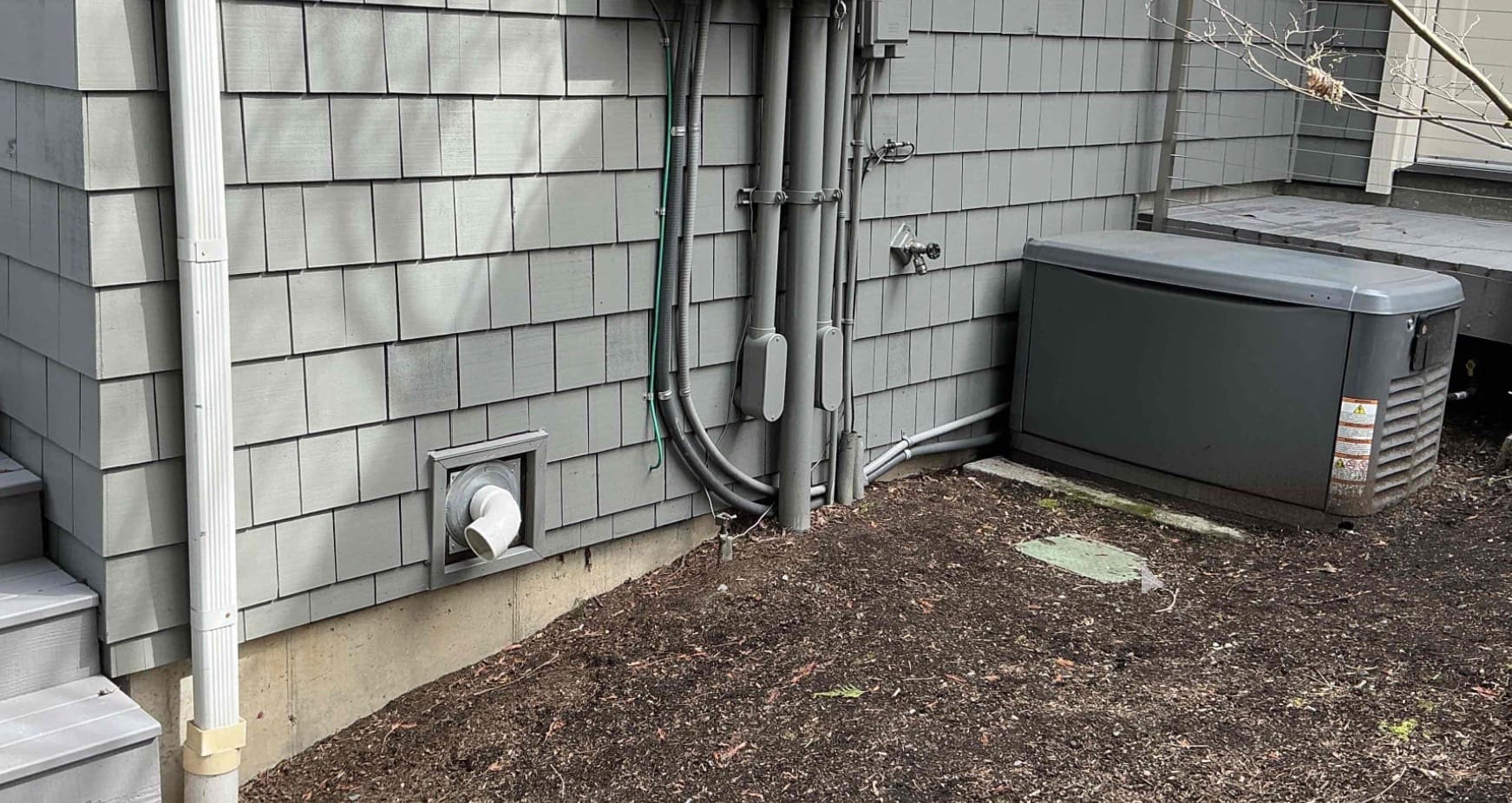
Related reference: Product Air’s Mercer Island installation correction case.
Who should install it and handle the permits
For a permanently connected standby system, I recommend a licensed electrical contractor, with qualified professionals handling the fuel work. The electrical connection has to prevent backfeeding and meet the requirements for your particular installation. Puget Sound Energy explains why transfer equipment and proper generator connections matter.
The permitting authority depends on your address. Washington L&I handles electrical permits in many areas, while some cities operate their own electrical inspection programs. Gas, mechanical, and placement requirements may involve additional local review. Under Washington L&I's electrical permit rules, the contractor performing the electrical work must obtain the permit for that work.
At Product Air Heating, Cooling, and Electric, we handle the required permits for our work and coordinate the relevant utility and inspection steps. The inspection authority makes the approval decision. Our generator installation and repair service page explains how to start that conversation with our team.
Compare the complete installation and its schedule
The generator's purchase price is only one part of the project. A complete proposal should explain the site preparation, electrical and fuel connections, transfer equipment, any load management, permits, and startup testing. It should also identify utility work or charges that are separate from the contractor's scope.
The same applies to timing. A crew's time on your property is only part of the schedule. Equipment availability, permitting, utility coordination, and inspections may affect when the system is ready to use. Ask which dates are confirmed and which depend on another party, especially if you're planning around the start of winter.
What I want checked before the first outage
Hearing the engine run is reassuring, but the complete backup system needs to be tested.
A complete test should verify transfer to generator power, operation of the intended appliances, and transfer back to utility power, including any load-management controls.
For the heating system, that means confirming that it actually heats the home. A lit thermostat screen isn't enough. If the design includes two separate heat pumps, both need to be tested under the intended operating arrangement.
The installer also needs to complete the required electrical, fuel, and operating checks, including voltage and frequency as specified for the equipment. Generac's installation guidance explains why standby installation belongs with qualified professionals.
Before the crew leaves, you should understand the controls, alerts, operating restrictions, and whom to call for help. Ask what the scheduled exercise cycle checks on your model. An engine exercise doesn't necessarily transfer the house or prove that every intended appliance will run on backup power.
During a longer outage
A generator needs maintenance based on operating hours as well as time on the calendar. Continuous use can bring a service requirement around sooner than an ordinary annual visit. Follow the exact owner's manual, including shutdown and cooldown instructions for any owner maintenance. Generac explains where to find the model-specific maintenance schedule.
Don't attempt electrical or gas repairs yourself, and don't keep clearing a recurring fault to force the unit to run. Contact the appropriate service professional so the cause can be identified.
Working carbon monoxide alarms are essential. If a CO alarm sounds, get everyone outside to fresh air and call 911. The Washington State Fire Marshal's alarm guidance covers home CO protection. If you smell gas, leave the area without operating electrical switches and call the gas emergency line or 911 from a safe location, following PSE's gas emergency instructions.
You should know exactly what you're buying
Before you call an installer, make a short list of what your family needs during an outage and what can wait. That gives us a useful place to begin, whether your priority is a warm house with the essentials working or a system that supports more of your normal routine.
If my brother were making this decision, I'd want him to understand his choices without paying for capacity he doesn't need or discovering a limitation after the lights go out. When a simpler arrangement is enough, we should explain it. When your heating equipment calls for a larger generator or additional controls, we should show you why.
That's what I mean when I describe our team as your tech brothers from another mother. At Product Air Heating, Cooling, and Electric, we bring the heating and electrical questions into the same conversation, explain the options honestly, and help you understand what each one will do for your home. You should come away knowing how the system will behave during an outage and who to call when you need help.
PLAN YOUR NEXT STEP
Need help with your home comfort?
Explore Product Air’s electrical services or contact the team.
Share this guide