


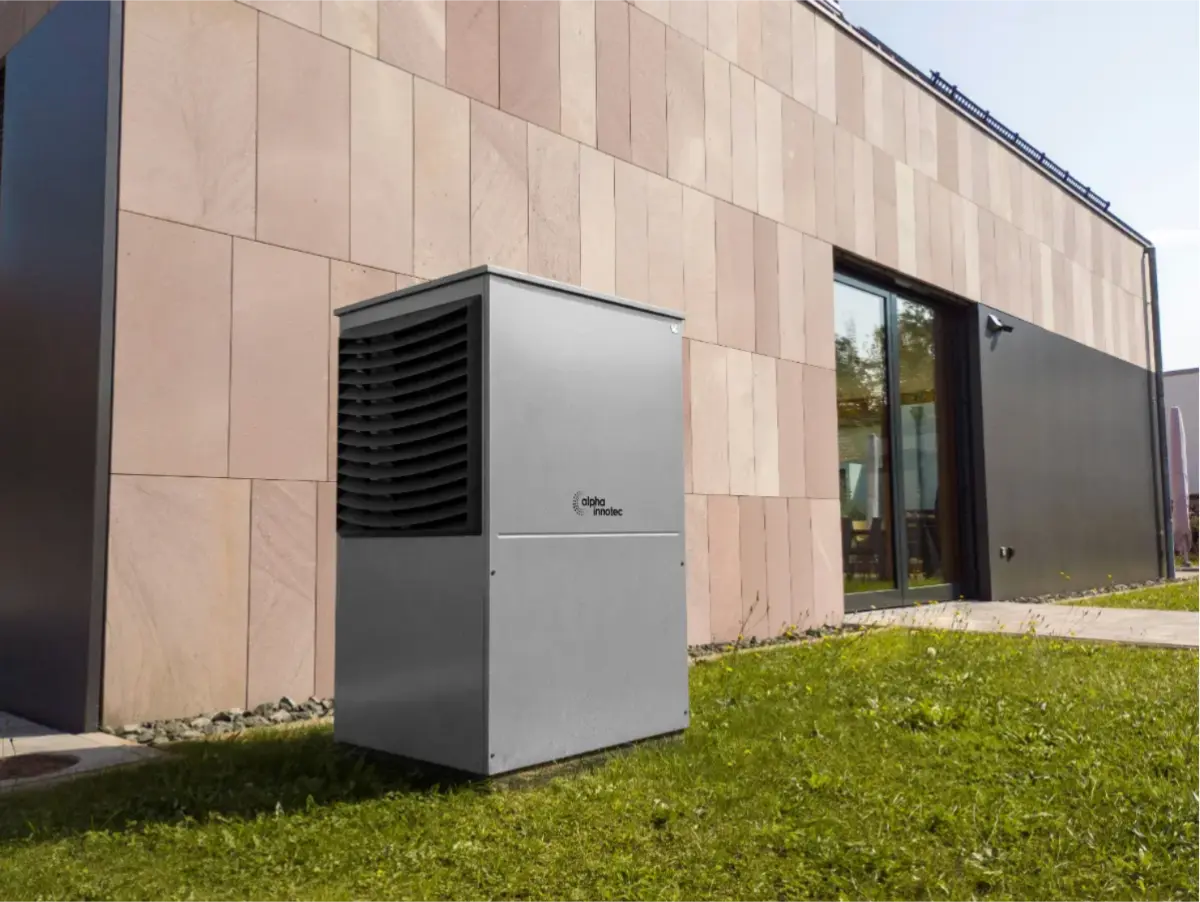
July is peak AC season, and we installed a lot of heat pumps across Western Washington that month. Many of those calls started with homeowners thinking about AC because they did not know all their options, so we walked them through how AC and heat pumps actually affect their utility bills. Many of them ended up deciding a heat pump was the better fit. I’m Serg Nikolin, and I’ll walk you through what you should know about how a heat pump affects your electric bill.
Quick Takeaways:
- One Marysville homeowner went from a $325 monthly gas bill to $139 in gas, with only about a $79 increase in electricity costs, saving roughly $107 per month overall
- Cold-climate heat pumps are a strong fit for Western Washington. In most homes where we install Mitsubishi cold-climate equipment, we do not need electric backup heat for normal Seattle-area winter conditions
What Happens to Your Utility Bills After Switching to a Heat Pump?
One homeowner was heating his home with an older 80% efficient, 100,000 BTU Carrier gas furnace and was paying about $325 per month for gas. After we converted the home to a heat pump, his gas bill dropped to $139. His electric bill increased by about $79. That still left him roughly $107 per month ahead on total utility costs, and he gained air conditioning that the house did not have before. After about 400 installs, only three customers told us they saw no real change in utility costs. We’ve even seen savings when replacing an older heat pump, like one in Lake Stevens, where the homeowner saw lower bills after switching to a Mitsubishi cold-climate system.
How Does a Heat Pump Use Electricity to Move Heat?
A heat pump works like a conventional AC in summer, moving heat outside, and can deliver several units of heat for about one unit of electricity. Electric baseboards and electric furnaces produce heat directly from electricity, so replacing electric resistance heat with a heat pump is one of the situations where homeowners often see the biggest reduction in heating energy use. The actual electricity consumption still depends on outdoor temperature, the house, equipment sizing, airflow, and whether backup heat is being used.
What Are You Replacing? That Changes the Math
Electric resistance heat: This is usually where we see one of the clearest efficiency advantages. A heat pump can use substantially less electricity to provide the same amount of heating.
Oil heat: We typically see noticeable savings after conversion, especially when you look at total heating cost rather than the electric bill by itself.
Older 80% gas furnace: This is another situation where we commonly see homeowners save after switching.
High-efficiency 97% gas furnace: This is where the calculation gets much closer. Your heating costs may stay roughly comparable after switching, at least at current utility rates, although natural gas prices have been trending upward. If you also need air conditioning, though, a heat pump can still make a lot of sense. Depending on the rebates available, those incentives can offset most or all of what you would otherwise spend to add AC separately.
What Do SEER, SEER2, HSPF, and HSPF2 Actually Tell You?
SEER and HSPF are the older efficiency ratings homeowners may still see on existing equipment, while newer systems are rated using SEER2 and HSPF2. SEER2 measures cooling efficiency, while HSPF2 measures heating efficiency. A higher SEER or HSPF rating generally points to better seasonal energy efficiency, but no efficiency rating can predict your exact utility bill.
For Western Washington, I pay especially close attention to the HSPF rating and low-temperature heating performance because our systems spend much more of the year heating than cooling. I would never choose cold-climate equipment from the headline efficiency number alone.
How Much Electricity Does a Heat Pump Actually Use?
Utility estimates are useful for context, but your actual bill depends on the home and the heating system you’re replacing. Under Puget Sound Energy’s published assumptions for heating a typical 2,000-square-foot home, estimated annual heating electricity use is:
- 5,877 kWh for a ductless heat pump with baseboard backup
- 6,773 kWh for an efficient cold-climate heat pump
- 8,486 kWh for a heat pump with electric resistance strip backup
Cooling adds additional electricity use, and actual consumption varies with the home, weather, occupancy, thermostat settings, equipment selection, and installation quality.
Do Cold Climate Heat Pumps Use More Electricity in Cold Weather?
Yes. Even cold climate heat pumps normally use more electricity as outdoor temperatures fall because the system has to work harder to move heat into the house. That does not mean a Seattle-area heat pump automatically needs electric resistance backup every time the temperature drops below freezing. In most homes where we install Mitsubishi cold-climate systems, we do not need electric backup or emergency heat strips for normal Western Washington winter conditions. I would not apply that as a universal rule to every heat pump or every house. Equipment selection, sizing, heat loss, ductwork, and the specific low-temperature performance of the system still matter.
How Fast Does a Heat Pump Pay Off?
When a heat pump replaces oil, electric resistance heat, or an older 80% gas furnace, we usually see operating costs drop right away. But there’s no fixed payback period because every home uses energy differently, and rebates can change the math too.
A 97% efficient gas furnace is different. At today’s utility rates, heating costs can stay fairly comparable. If that homeowner also wants central air conditioning, though, I usually tell them to compare the heat pump against the cost of keeping the furnace and adding a separate AC system. Once rebates are included, the heat pump can become a much more attractive option even without a dramatic heating-bill reduction.
Issaquah Case: Replacing Electric Resistance Heat With a Heat Pump
Rebecca called us because she wanted AC in her Issaquah home after 15 years without it. Luis found she was also relying on an older Intertherm electric resistance furnace and lowering the thermostat every night to control winter bills. We replaced it with a 2-ton Midea Evox G2 heat pump, and afterward she reported lower energy costs, stopped using the nightly setback, and got the cooling she originally wanted.
The project came to $13,711.52 after a $1,500 PSE rebate for replacing electric resistance heat with a qualifying heat pump. You can see the equipment, pricing, rebate, and the other options we presented in our Issaquah heat pump installation case.
This is one of the situations where the economics of a heat pump are easiest to see. Rebecca was not switching from a 97% gas furnace with already-low heating costs. She was replacing electric resistance heat, so the heat pump could reduce heating energy use while solving the cooling problem at the same time.
How Much Does a Heat Pump Cost in Seattle?
A typical heat pump installation in the Seattle area runs around $15,000 after applicable rebates. That is a useful starting point, not a quote. Home size, equipment selection, ductwork, electrical work, available incentives, and installation complexity can move the final out-of-pocket cost in either direction. When choosing between a heat pump and a furnace, it’s good to have a professional do the math. For example, a customer in the Clearview neighborhood went through the numbers with our technician Eli. They found that their $600 monthly propane bill meant the price difference between a heat pump and a furnace would pay for itself in about two winters. Plus, they got air conditioning. So when making the choice, look at your utility bills and each option, not just the quoted price.
We break down current installation costs in more detail in our blog.
Heat Pump Rebates Can Change the Real Out-of-Pocket Cost
Rebates are another reason the sticker price does not tell you the whole story. The amount available depends on your utility, location, income, existing heating system, and the equipment you install. Seattle homeowners may qualify for a $2,000 Clean Heat rebate plus another $4,000 for moderate-income households, while the federal $2,000 heat pump tax credit expired at the end of 2025 and no longer applies in 2026.
Your actual out-of-pocket cost depends on which incentives you qualify for and which programs can be combined. We break down the current options in our guide.
Why More Western Washington Homeowners Are Choosing Heat Pumps
The conversation around heat pumps has changed a lot over the last two years, especially after Western Washington’s recent extreme-heat summers. Homeowners here used to think about heating first and cooling second. Now air conditioning is a much bigger part of the decision. We see that directly in our calls. During winter, roughly half of the customers we talk to are primarily interested in lowering their heating costs. During summer, about nine out of ten are mainly trying to solve the cooling problem.
In our experience, once homeowners get accurate information about how heat pumps work and understand the options available for their home, roughly eight out of ten choose a heat pump over a conventional system. Most homeowners we talk to skip another window AC and go straight to a whole-home heat pump. Many are tired of managing window units every summer, while others want better filtration along with cooling.
Ducted vs. Ductless Heat Pumps in Seattle and the Suburbs
The type of heat pump we install also changes depending on where the house is.
In suburban and more rural markets such as Issaquah and Marysville, roughly 75% of our heat pump installations are full ducted systems. Many of those homes already have ductwork that we can evaluate and reuse or modify.
In Seattle proper, the split is much closer to 50/50 between ducted and ductless systems. Older Seattle housing stock is a big reason. A lot of homes were never built with the duct systems you would expect in newer suburban construction.
That is why I would not walk into a Seattle home assuming a ducted heat pump is automatically the right answer. We look at the house first.
Why Heat Pumps Make Particular Sense in Washington
Washington is a particularly good market for electrification because much of our electricity comes from hydropower. So when a homeowner moves away from oil or natural gas, the environmental benefit can be larger here than in regions where electricity still depends heavily on fossil fuels. There is also the comfort side of the decision. We have watched cooling become a much bigger priority for Western Washington homeowners as summers have gotten hotter. A heat pump gives you heating and cooling in one system instead of requiring a separate furnace and air conditioner.
Is a Heat Pump the Right Move for Your Home?
Maybe. It depends on what you already have. If you are heating with oil, electric resistance heat, or an older gas furnace, I would absolutely look at the numbers. If you already have a 97% efficient gas furnace and do not need air conditioning, keeping your current system may make more financial sense. That is how we approach these projects at Product Air. We show you the options, explain what each one changes like your Tech Brother From Another Mother would, and let you decide what makes sense for your house.
Call 425-340-3576 or schedule online if you want us to look at your system. We install and service heat pumps across King, Snohomish, Skagit, and Island counties.
FAQ
Q: Why is my heat pump using so much electricity?
A: Some increase in heat pump electricity usage is normal during very cold weather, but a sharp or unexplained jump is not. A sudden jump can come from the heat pump working harder than usual or from electric backup heat joining in. Airflow problems can push runtime up too. A house that is losing a lot of heat can make the equipment look like the problem even when the unit itself is fine.
Electric auxiliary heat is one of the first things I’d check when a heat pump suddenly starts using much more power, because it can cause heat pump electricity use to jump fast. AUX HEAT usually means the thermostat has brought on backup heat automatically, often alongside the compressor. EM HEAT is different: it switches the system over to its backup heat source instead of normal heat-pump operation. Electric heat strips can draw a lot of power, so frequent resistance-heat operation can move the bill fast.
Q: How much does it cost to run a heat pump per hour?
A: The math is pretty simple: power draw in kilowatts times your electricity rate gives you the cost per operating hour. A heat pump pulling 3 kW with electricity at $0.15 per kWh costs about $0.45 for that hour:
3 kW × $0.15 = $0.45 per hour
A larger 5 kW system would cost about $0.75 per hour at the same rate. A 10 kW auxiliary heater changes the picture fast. At the same rate, that backup heat alone adds about $1.50 per hour. Actual cost depends on system capacity, outdoor temperature, operating stage, and local utility rates.
Q: Is it normal for a heat pump to run for many hours a day?
A: Yes. A modern heat pump is designed to deliver heating and cooling more gradually than a traditional furnace, so longer operating cycles can be completely normal. An inverter-driven heat pump may run for long stretches, sometimes nearly continuously during very cold or very hot weather, while adjusting its output to match the home’s load. Long runtime by itself doesn’t scare me. I care more about what the system is accomplishing while it runs. A heat pump running all day and holding the house perfectly steady is a very different story from one running all day while the temperature keeps falling.
Q: Does a heat pump use electricity differently in cooling mode?
A: In cooling mode, a heat pump works much like a conventional air conditioner: it uses electricity to move heat from inside the home to the outdoors. Electricity use depends on outdoor temperature, thermostat settings, system size, efficiency, and how long the equipment runs. Variable-speed systems may run for longer periods at lower output instead of constantly cycling on and off.
Q: How much energy does a heat pump typically use?
A: Most residential heat pumps draw approximately 1.5 to 5 kW while the compressor is operating. A smaller ductless mini-split may use less than 1 kW at low output, while a large central system can draw more than 5 kW under heavy load. Daily consumption can range from roughly 10 to more than 60 kWh of electricity, depending on the weather, home size, system efficiency, and runtime.
The HSPF, or Heating Seasonal Performance Factor, is one way to compare how efficiently different heat pumps use electricity over the heating season. A higher rating generally means the system needs less total energy to deliver the same amount of seasonal heating. Auxiliary electric heat can raise total energy use considerably because heat strips commonly draw 5 to 20 kW.
Q: What factors affect a heat pump’s energy consumption?
A: I start with how hard the house is making the heat pump work and whether its BTU capacity actually matches the heating load. Cold weather adds load, and a leaky house piles more on top of it. Then I want to know how the equipment is handling that load and whether electric backup heat is joining the party. A home with poor insulation or leaking ducts may require the heat pump to run much longer. Raising the thermostat several degrees at once can also activate auxiliary heat. Equipment condition matters as well. Dirty coils, clogged filters, low refrigerant, or a failing component can reduce efficiency and increase runtime.
Q: Will a heat pump increase my electricity costs?
A: Your electricity bill will usually increase if an electric heat pump replaces a gas, oil, or propane heating system because electricity is now doing the heating. However, your total household energy cost may still decrease because you are buying less fuel. A heat pump can cut heating electricity use substantially when it replaces electric baseboards or an electric furnace. The reason is simple: resistance heat gets roughly one unit of heat from one unit of electricity, while a good heat pump can move two to four. A well-performing heat pump may deliver two to four units of heat for every unit of electricity consumed, while electric resistance heating delivers approximately one unit of heat per unit of electricity.
Q: How can I reduce my heat pump’s electricity use and lower my bills?
A: When using a heat pump, I look for the places where the system is doing work you don’t really need to pay for. Big thermostat jumps can bring on electric backup heat. A dirty filter can make the system run longer because it isn’t moving air the way it should. A drafty house creates the same problem from the other side by letting the heat escape after you already paid to move it inside. The HVAC equipment can add to the bill too. A maintenance visit can show whether airflow is off or the HVAC system has another problem pushing runtime up. Age alone still isn’t enough for me to tell you to replace a heat pump. I want to see how the thing is actually running first.
Q: How does a heat pump’s energy use compare with other heating systems?
A: A boiler is a different comparison because its operating cost depends on the fuel it uses and the efficiency of the system. The same is true when comparing a heat pump with other electric equipment, such as resistance heaters or a conventional electric water heater: those appliances create heat directly from electricity, while a heat pump moves heat.
Gas, oil, and propane make the comparison less obvious because fuel prices matter a lot. Cold-weather performance matters too, and heavy use of backup heat can narrow the heat pump’s advantage. A heat pump may cost less to operate in a moderate climate like Western Washington, but the result still depends on the system it is replacing.
Q: Are heat pumps a good investment?
A: Whether getting a heat pump is a good investment depends heavily on what the system is replacing. Electric resistance heat usually gives a heat pump a big efficiency advantage. Replacing a good gas furnace is a much closer calculation because fuel prices matter a lot. Compared with separate heating and cooling systems, a heat pump provides both functions in one system and can reduce a household’s energy consumption when properly sized and installed. The financial return depends on the installation cost, local electricity and fuel prices, available rebates or tax incentives, the condition of the home, and the system’s expected service life. Around Western Washington, 15 to 20 years is a reasonable service-life range to discuss for a well-installed system that receives normal maintenance. Installation quality and how hard the equipment has worked matter too.
PLAN YOUR NEXT STEP
Need help with your home comfort?
Explore Product Air’s heat pumps services or contact the team.
Share this guide