


Location: NE 70th St corridor, Seattle, WA 98115
Call Date: May 1, 2026
First Visit: May 1, 2026
Project Completion: May 1, 2026
Lead Technician: Luis, 25 years of experience, Seattle refrigeration certified, Mitsubishi certified
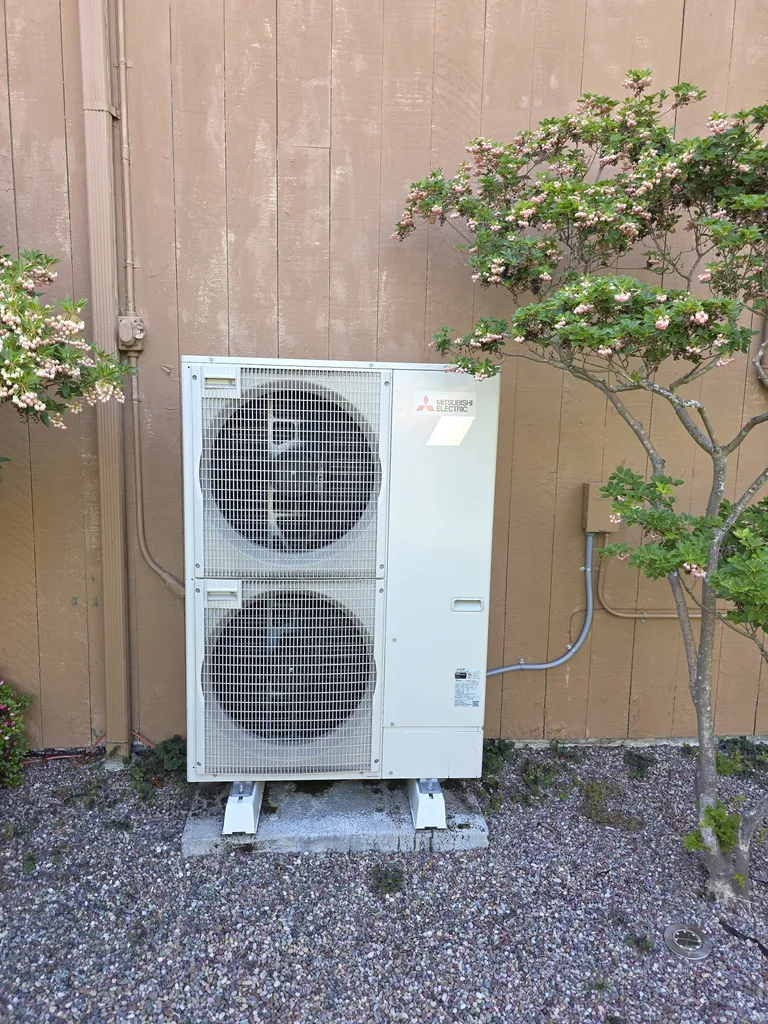
System Before: Mitsubishi heat pump, model PUZ-HA36NHA5, installed 7 years prior, in great condition, homeowner unaware it was a heat pump rather than a standalone AC unit
System After: Same system, fully identified and explained, confirmed in great working condition; homeowner enrolled in Product Air’s Whole Home Membership plan
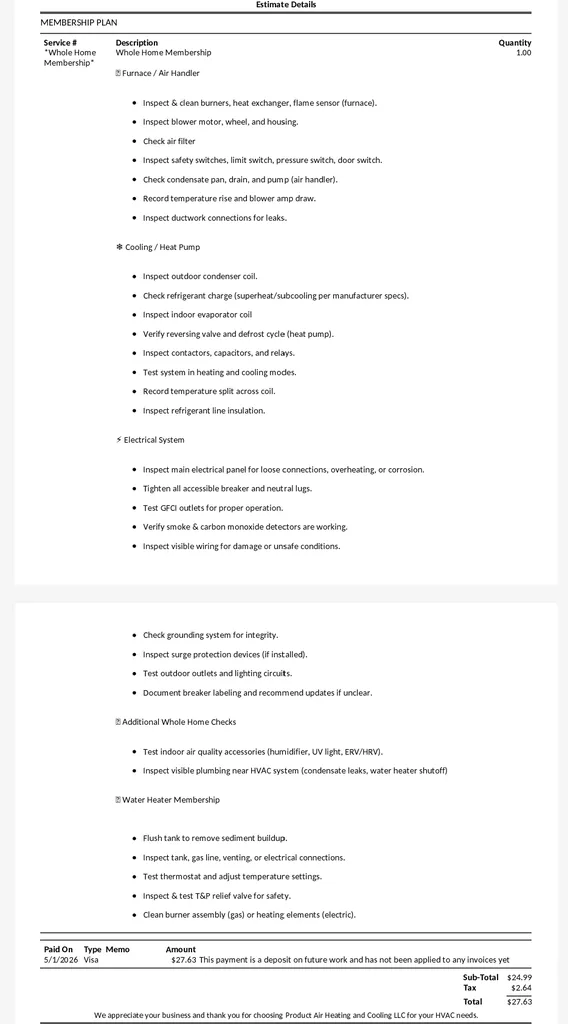
Final Project Cost: $27.63 (Whole Home Membership enrollment, no repairs needed)
Matt had owned his house on NE 70th St in Seattle’s 98115 for a short while when the outdoor unit started making a sound he couldn’t place. A steady hum, the kind of noise that’s easy to dismiss and just as easy to worry about when you don’t actually know what the thing making it is supposed to do. “I recently bought a home with an AC outdoor unit that is making some audible humming noises,” he told Product Air when he called. “Want to check if this is normal.” That’s the whole story in one sentence: a new homeowner, an unfamiliar piece of equipment, and a completely reasonable question nobody had answered for him yet.
Why Matt Called a Mitsubishi Certified HVAC Technician in Seattle Instead of Guessing
Matt found Product Air through Google Business Profile. He was a first-time caller with a new house and a piece of equipment he’d inherited from whoever owned the place before him, and what he wanted wasn’t a repair. It was confidence. Confidence that the sound outside his wall wasn’t the first sign of a problem, and confidence that whatever this system was, it was working the way it was supposed to.
That’s a more common call than most homeowners realize. Buying a house means inheriting HVAC equipment with a full history nobody hands you on closing day, sometimes not even a clear idea of what the equipment actually is. Getting an answer from a Mitsubishi certified HVAC contractor in Seattle, rather than guessing from a forum post, was the right instinct.
What Luis Found: A 7-Year-Old Mitsubishi Heat Pump Matt Didn’t Know He Owned
Luis has 25 years in the trade, Seattle refrigeration certification, and Mitsubishi factory certification specifically, the kind of background suited exactly to a call like this one. The house itself was a single-story home built in 1948, four bedrooms, one and a half baths, 2,780 square feet, and the outdoor unit in question turned out to be a Mitsubishi PUZ-HA36NHA5, installed seven years earlier and, once Luis actually inspected it, in great condition across every component he checked.
Here’s the detail that actually shaped the whole visit: Matt thought he had an AC-only unit. He didn’t. He had a heat pump, and nobody had ever told him the difference, let alone explained what that meant for how his home got heated and cooled.
Is It Normal for a Heat Pump Outdoor Unit to Hum?
Yes. A heat pump’s outdoor unit contains a compressor and a fan, both of which produce a steady, low-level operating sound any time the system is actively heating or cooling. That hum is the sound of a working refrigeration cycle, not a warning sign, comparable to the sound of a refrigerator running, just larger in scale and mounted outside where it’s easier to notice. What’s actually worth paying attention to are the sounds that don’t fit that steady pattern: grinding, screeching, loud clicking, or a rattle that comes and goes. Those point toward a mechanical issue. A consistent hum during normal operation, the kind Matt described, is simply what a healthy heat pump sounds like.
This is worth knowing because it’s one of the most common reasons new homeowners call about equipment that turns out to need nothing at all. A sound that’s unfamiliar isn’t the same thing as a sound that’s wrong, and the only reliable way to tell the difference is to have someone who knows the equipment actually listen to it.
How to Tell If You Have a Heat Pump or an AC-Only Unit
Matt’s confusion about owning a heat pump instead of a straight air conditioner is genuinely common, because from the outside, the two pieces of equipment can look nearly identical: a metal cabinet, a fan, a coil, sitting on a pad against the house. The real difference is functional, not visual. An air conditioner only removes heat from a home, meaning it can cool but has no ability to provide heat. A heat pump can run its refrigeration cycle in both directions, which means it can heat a home in the winter using the same outdoor unit that cools it in the summer.
The most reliable way to identify which one you have is the equipment’s data plate, the manufacturer’s nameplate mounted on the unit itself, which lists the exact model number. In Matt’s case, that meant confirming a Mitsubishi PUZ-HA36NHA5 outdoor unit paired with a matched Mitsubishi indoor air handler, and Mitsubishi’s own model naming makes the heat pump versus AC-only distinction identifiable directly from the model number for anyone who knows what to look for. Short of reading a data plate yourself, the simplest practical test is whether the system produces heat in winter. If it does, it’s a heat pump, whatever anyone assumed about it at move-in.
From Explanation to Enrollment: Why Matt Joined the Whole Home Membership
There wasn’t a repair to offer, because there wasn’t anything broken. What Luis offered instead was the thing that actually matched what Matt needed: an explanation of the system he owned, confirmation that what he was hearing was normal, and an option to have that system and the rest of the home’s mechanical and electrical equipment looked at on a regular basis by someone who already understood it. After Luis walked him through how the heat pump worked and what made the humming ordinary rather than concerning, Matt chose to enroll in Product Air’s Whole Home Membership.
That’s not a small detail in this case. Matt didn’t sign up for a maintenance plan out of habit or because it was upsold hard. He signed up because getting a clear, competent answer to one question (“Is this normal?”) gave him enough confidence in Product Air to want that same level of attention applied to the rest of the house going forward.
What a Whole Home Membership in Seattle, WA 98115 Actually Covers
The membership isn’t limited to the heat pump that started the conversation. It covers the furnace or air handler, the cooling and heat pump system, the home’s electrical system, and the water heater, with a defined checklist for each.
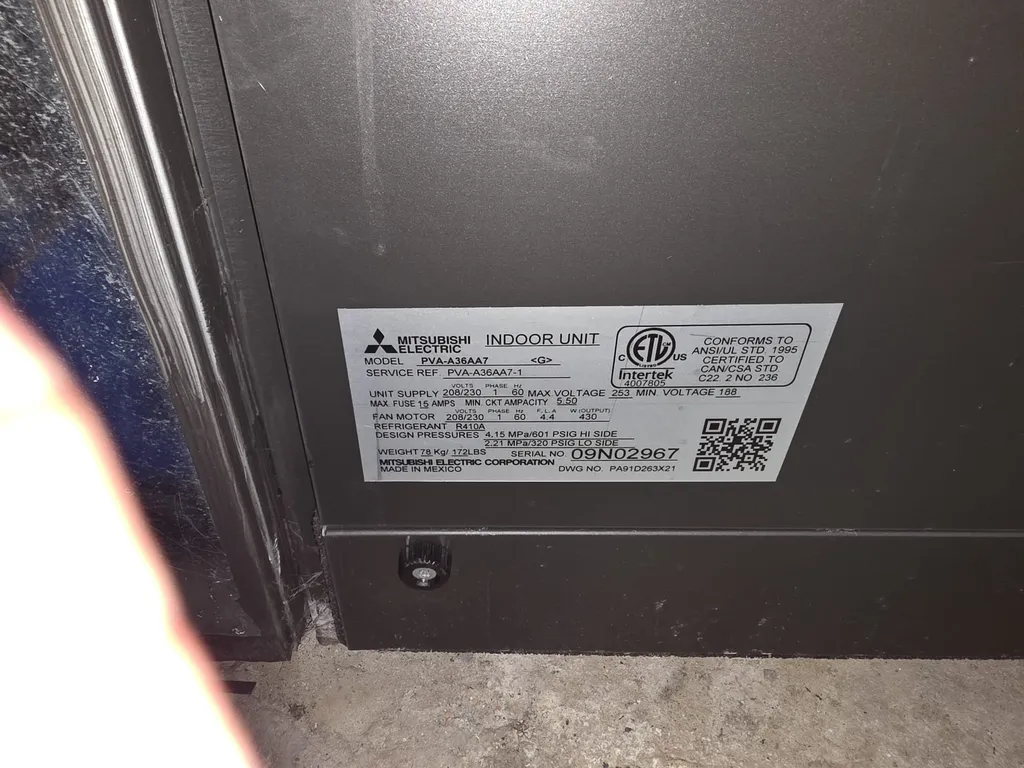
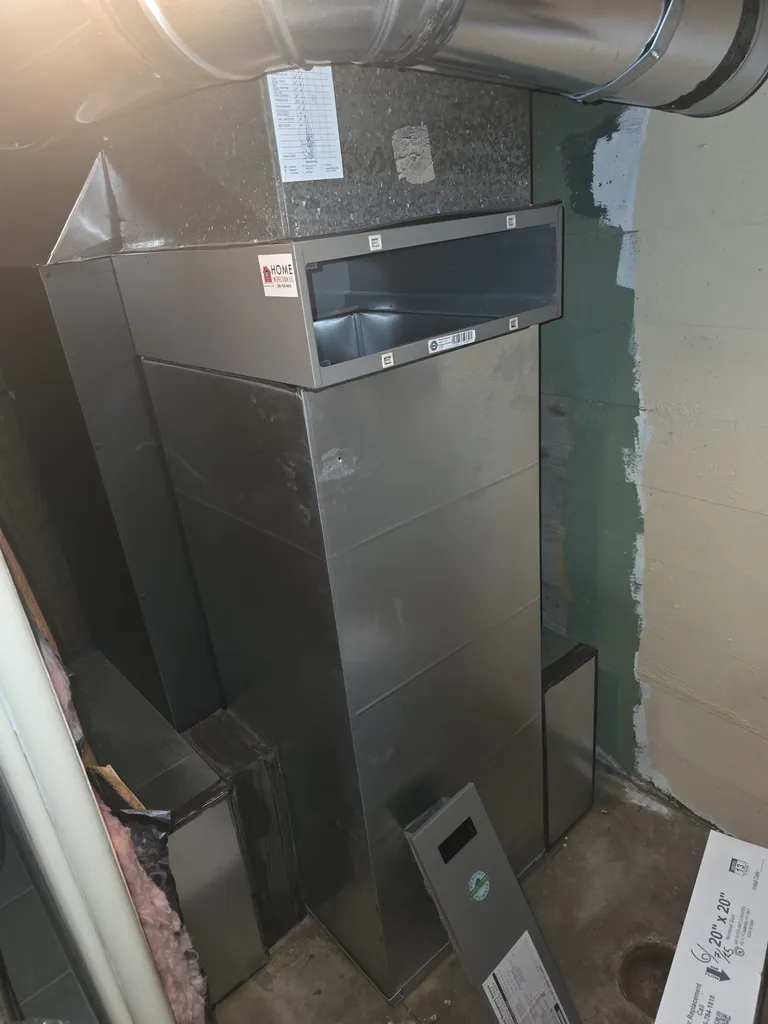
On the furnace and air handler side, the plan covers inspecting and cleaning burners, the heat exchanger, and the flame sensor, checking the blower motor, wheel, and housing, replacing or checking the air filter, testing safety switches including the limit, pressure, and door switches, checking the condensate pan, drain, and pump, recording temperature rise and blower amp draw, and inspecting ductwork connections for leaks. On the cooling and heat pump side, it covers inspecting the outdoor condenser coil, checking refrigerant charge against manufacturer superheat and subcooling specs, inspecting the indoor evaporator coil, verifying the reversing valve and defrost cycle, inspecting contactors, capacitors, and relays, testing the system in both heating and cooling modes, recording the temperature split across the coil, and inspecting refrigerant line insulation.
The electrical portion covers inspecting the main panel for loose connections, overheating, or corrosion, tightening accessible breaker and neutral lugs, testing GFCI outlets, verifying smoke and carbon monoxide detectors are functioning, inspecting visible wiring for damage, checking the grounding system, inspecting surge protection if installed, testing outdoor outlets and lighting circuits, and documenting breaker labeling. Additional whole-home checks include testing indoor air quality accessories like humidifiers, UV lights, or ERV/HRV systems, and inspecting visible plumbing near the HVAC system. The water heater membership adds flushing the tank, inspecting the tank, gas line, venting, or electrical connections, testing and adjusting the thermostat, testing the T&P relief valve, and cleaning the burner assembly or heating elements.
What Should a New Homeowner Check First With Their HVAC System?
Matt’s visit is close to a template for what any new homeowner should do the moment they move into a house with HVAC equipment they didn’t choose and don’t have documentation for. First, identify what the equipment actually is (the make, model, and whether it’s a heat pump or an AC-only system) by finding the data plate or having a technician confirm it. Second, get a baseline read on its condition and age, since a system’s remaining service life depends heavily on both. Third, learn what normal operation sounds and feels like for that specific piece of equipment, so that a routine noise doesn’t get mistaken for an emergency, and so a genuine warning sign doesn’t get dismissed as harmless. Matt did all three in a single visit, and it turned an anxious phone call into a fully resolved question within the same afternoon.
One Visit, One Afternoon: How the Diagnostic Came Together
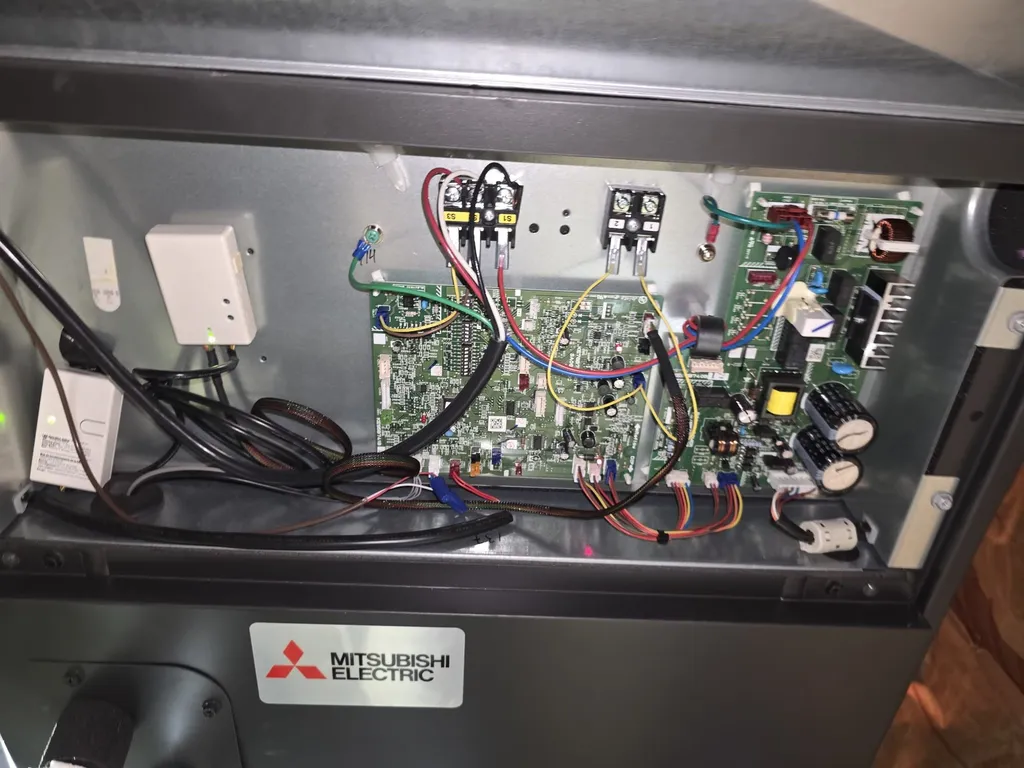
The entire visit (call, arrival, inspection, explanation, and membership enrollment) happened on a single day, May 1, 2026. Luis inspected the outdoor unit, confirmed the model and its heat pump function, opened the indoor unit to verify the control board and components were in good condition, and walked Matt through what he’d found before discussing the membership option. No permitting was involved, since nothing was being installed, replaced, or modified. This was a diagnostic and educational visit from start to finish.
The Real Number: $27.63 to Start, No Repairs Required
There was no repair invoice in this case, because there was no repair. The only cost was the first payment toward Product Air’s Whole Home Membership: $24.99 plus $2.64 in tax, for a total of $27.63, paid by Visa on May 1, 2026. No equipment was replaced, no rebate programs applied, and no financing was needed. The entire visit resolved into a modest, recurring membership commitment rather than a repair bill.
Is It Worth Joining an HVAC Maintenance Plan for a Home You Just Bought?
For a homeowner in Matt’s exact position, the answer leans clearly toward yes. He’d inherited a seven-year-old heat pump in great condition with zero maintenance history he had access to, no documentation about what it was, and no relationship with a contractor who already understood the equipment. A membership plan solves all three problems at once: it puts the system on a documented, recurring inspection schedule, it keeps components like refrigerant charge, electrical connections, and safety switches checked before small issues become expensive ones, and it means the next time something sounds unfamiliar, there’s already a technician on record who knows exactly what that system is and how it’s supposed to run.
For a system already confirmed to be in great shape, as Matt’s was, the value isn’t fixing a hidden problem, it’s catching the next one early, on a system that still has a long service life ahead of it.
What Ongoing Maintenance Means for a Heat Pump Already in Great Shape
A Mitsubishi heat pump seven years into its service life, inspected and found in great condition, has plenty of working years left ahead of it under normal use. What changes for Matt now isn’t the equipment. It’s the fact that it’s being watched. Refrigerant charge, coil condition, electrical connections, and safety components all degrade gradually and quietly long before they fail outright, and a system on a maintenance schedule catches that drift instead of waiting for a breakdown to reveal it.
Matt’s outcome wasn’t a repair story. It was a homeowner who called with a worry, got a straight answer from someone qualified to give one, and came away from the visit understanding his own home’s equipment for the first time, confident enough in what he’d learned to put that same equipment on a plan that keeps it looked after going forward.
Frequently Asked Questions: HVAC Diagnostics and Maintenance in Seattle, WA
Is it normal for a heat pump outdoor unit to hum?
Yes, a steady hum from a heat pump’s outdoor unit is a normal sound produced by the compressor and fan during regular operation, whether the system is heating or cooling. It’s comparable to the operating sound of a refrigerator, just louder because the unit sits outside and handles a larger workload. In one Seattle case, a new homeowner called concerned about humming from his outdoor unit, and a Mitsubishi certified technician confirmed the seven-year-old heat pump was in great condition and operating exactly as designed. Sounds worth actual concern include grinding, screeching, or loud clicking.
How do I know if my outdoor unit is a heat pump or just an AC?
The most reliable method is checking the manufacturer’s data plate on the unit, which lists the exact model number, since heat pump and AC-only models are named differently by manufacturers. Functionally, the difference is that an air conditioner can only remove heat from a home, while a heat pump can also provide heating by running its refrigeration cycle in reverse. In a Seattle case, a homeowner assumed he owned an AC-only unit until a technician identified his equipment as a Mitsubishi PUZ-HA36NHA5 heat pump directly from its nameplate. If your system heats your home in winter, it’s a heat pump, regardless of what you assumed at move-in.
What should a new homeowner check first with their HVAC system?
New homeowners should start by identifying exactly what equipment they have (the brand, model, and whether it’s a heat pump or an AC-only system) since that information isn’t always passed along at closing. From there, get a professional assessment of the system’s age and condition, and ask what normal operating sounds and behavior look like for that specific unit, so ordinary noises aren’t mistaken for problems. In one Seattle case, a new homeowner did exactly this in a single visit, learning his system was a seven-year-old Mitsubishi heat pump in great shape rather than the AC-only unit he’d assumed he owned.
What does a Mitsubishi heat pump maintenance visit include?
A thorough maintenance visit on a Mitsubishi heat pump typically includes inspecting the outdoor condenser coil, checking refrigerant charge against the manufacturer’s superheat and subcooling specifications, inspecting the indoor evaporator coil, verifying the reversing valve and defrost cycle function correctly, checking contactors, capacitors, and relays, and testing the system in both heating and cooling modes. In a Seattle case, a Mitsubishi certified technician performed this kind of inspection as part of explaining the system to a new homeowner, confirming every major component was functioning as designed on a seven-year-old unit.
Is it worth joining an HVAC maintenance plan for a home you just bought?
For most new homeowners, yes, particularly when there’s no maintenance history available for equipment inherited from a previous owner. A maintenance plan establishes a documented inspection schedule covering the HVAC system, electrical panel, and water heater, catching small issues before they become expensive failures. In a Seattle case, a new homeowner enrolled in a Whole Home Membership immediately after a technician explained his previously unfamiliar heat pump system, choosing ongoing professional oversight over waiting until something eventually went wrong.
Is a loud outdoor unit always a problem?
Not necessarily. Volume alone isn’t the reliable indicator, the type of sound is. A steady hum or whirring sound is typically normal operation, even if it’s noticeable, while sudden loud clicking, grinding, screeching, or rattling sounds usually indicate a mechanical issue worth investigating. In one Seattle case, a homeowner’s concern about an audible hum from his outdoor heat pump turned out to be completely normal operation on a healthy seven-year-old system, confirmed by a technician who inspected the unit directly rather than assuming the noise meant a problem.
What’s included in an HVAC maintenance plan in Seattle, WA?
A comprehensive whole-home plan typically covers the furnace or air handler, including burner and heat exchanger inspection, blower motor checks, and safety switch testing; the cooling or heat pump system, including refrigerant charge verification and coil inspection; the home’s electrical system, including panel inspection and GFCI testing; and often extends to water heater maintenance, including tank flushing and safety valve testing. In a Seattle case, a Whole Home Membership plan covering all of these areas was offered at $24.99 per month plus tax, giving a new homeowner ongoing coverage across his entire home’s mechanical systems.
Should new homeowners get their HVAC system professionally checked right away?
Yes, especially since HVAC equipment rarely comes with a maintenance history or clear documentation at the time of a home purchase. A professional visit can identify exactly what type of system is installed, confirm its age and condition, and establish a baseline for what normal operation looks like, preventing both unnecessary worry over harmless noises and the risk of overlooking an actual developing issue. In a Seattle case, a new homeowner’s early call about an unfamiliar humming sound led to a full system identification and a clean bill of health on a heat pump he hadn’t even realized he owned.
Key Takeaways
- A steady hum from a heat pump’s outdoor unit during operation is normal. Grinding, screeching, or loud clicking sounds are the ones that actually warrant concern.
- The most reliable way to identify a heat pump versus an AC-only unit is checking the equipment’s data plate for the exact model number, since the two can look nearly identical from the outside.
- New homeowners often inherit HVAC equipment with no maintenance history or documentation, making an early professional inspection valuable even when nothing appears to be wrong.
- A Mitsubishi heat pump maintenance visit covers the outdoor condenser coil, refrigerant charge, reversing valve, defrost cycle, and electrical components like contactors and relays.
- A Whole Home Membership plan can extend coverage beyond HVAC to include electrical system checks and water heater maintenance, all under one recurring plan.
- Getting a clear answer to a single question (“Is this normal?”) can be enough to build the confidence needed to commit to ongoing professional maintenance for a home’s full mechanical systems.
Not every visit ends with a repair, and this one didn’t need to. Matt got what he actually called for a straight answer, from someone who knew the equipment well enough to give one without guessing and that was worth more to him than any repair could have been, because there wasn’t anything broken to fix.
— Serge Nikolin, Co-Founder, Product Air Heating, Cooling and Electric
Marysville · Issaquah · Seattle · Western Washington
PLAN YOUR NEXT STEP
Need help with your home comfort?
Explore Product Air’s air conditioning services or contact the team.
Share this guide