

Across the industry, emergency HVAC service in the Seattle area typically runs $250 to $475 for the service call fee and first hour of labor combined, reflecting a $100 to $200 diagnostic fee plus an after-hours labor rate of roughly $150 to $275 per hour. These are general regional ranges, not a fixed quote. The exact cost depends on what’s actually wrong and what it takes to fix, so contacting a contractor directly for your specific situation is the only way to get a real number.
Most of the confusion homeowners run into at 11 p.m. with a dead furnace isn’t really about
money. It’s about not knowing whether what’s happening actually counts as an emergency, or whether they should just wait until morning and save themselves the after-hours rate. Those are two different questions, and most HVAC content online answers them as if they’re one. We’d rather separate them cleanly: here’s what actually qualifies as urgent, and here’s what it typically costs when it does.
What Qualifies as an HVAC Emergency? The Direct Answer
An HVAC emergency is any situation where waiting until normal business hours creates a real risk to health, safety, or the home itself. That includes a complete loss of heat during freezing temperatures, especially with infants, elderly residents, or anyone medically fragile in the home. A complete loss of cooling during a serious heat wave, for the same population risk. Any smell of gas, which should prompt leaving the home and calling the gas utility’s emergency line before calling anyone else. Any suspected carbon monoxide risk, including a triggered CO detector. An active water leak or flooding coming from HVAC equipment. And any burning smell, visible arcing, or electrical failure at the equipment itself, which carries its own fire risk separate from the comfort issue.
A system that’s simply not cooling as well as it used to, or a furnace making a new noise but still running, generally doesn’t meet this bar. Those are real problems, but they’re problems that can wait for a scheduled visit without putting anyone at risk.
How Much Does an Emergency HVAC Service Call Cost?
The figures below reflect typical industry ranges across the Seattle area, compiled from regional HVAC pricing data, not a fixed Product Air rate card, since an exact quote always depends on the specific failure, the time of day, and what it actually takes to fix it. For that exact number, contact us directly for emergency HVAC repair.
Across the industry, emergency HVAC service calls in the Seattle area typically run $250 to $475 for the service fee and first hour of labor combined. That figure is built from two pieces: a diagnostic or service call fee, commonly around $100 to $200, plus an after-hours labor rate that runs $150 to $275 per hour in this region, noticeably above the national average, largely reflecting Seattle’s higher cost of living. Compare that to a standard daytime labor rate of roughly $75 to $150 per hour, and the after-hours premium becomes clear before any parts are even factored in.
How Much Is an Emergency AC Visit Specifically?
Emergency AC calls generally fall within the same range as emergency heating calls, the $250 to $475 service-fee-plus-first-hour range holds for air conditioner emergency repair as well, since the after-hours labor premium applies regardless of which system is failing. What tends to shift the final number on a cooling emergency specifically is whether the failure turns out to be something straightforward: a tripped breaker, a failed capacitor or something that requires refrigerant work, which adds both time and material cost to the visit. Seattle’s summer heat waves have made this a more common call than it used to be, particularly for households with elderly residents or anyone with a health condition that makes extended heat exposure genuinely dangerous rather than just uncomfortable.
Is No Heat in Winter Always an Emergency?
Not automatically, and this is worth thinking through rather than defaulting to panic the moment a furnace stops. The real question is how cold the home is actually getting, how fast, and who’s inside it. A furnace that stops on a mild 45-degree evening, in a well-insulated home, with healthy adult occupants, is a real problem that can usually wait for the next business day. The same furnace failure during a hard freeze, in a home already dropping toward the 50s, with an infant or an elderly resident inside, is a different situation entirely, one where waiting isn’t just inconvenient, it’s a genuine risk. Freezing outdoor temperatures also raise a second concern beyond comfort: a home that gets cold enough for long enough risks frozen pipes, which turns a heating problem into a plumbing emergency on top of it. When in doubt, describe the actual indoor temperature and who’s in the house when you call. That’s the information that actually determines whether a visit needs to happen tonight.
How Fast Can Product Air Respond to an HVAC Emergency? A Real Example
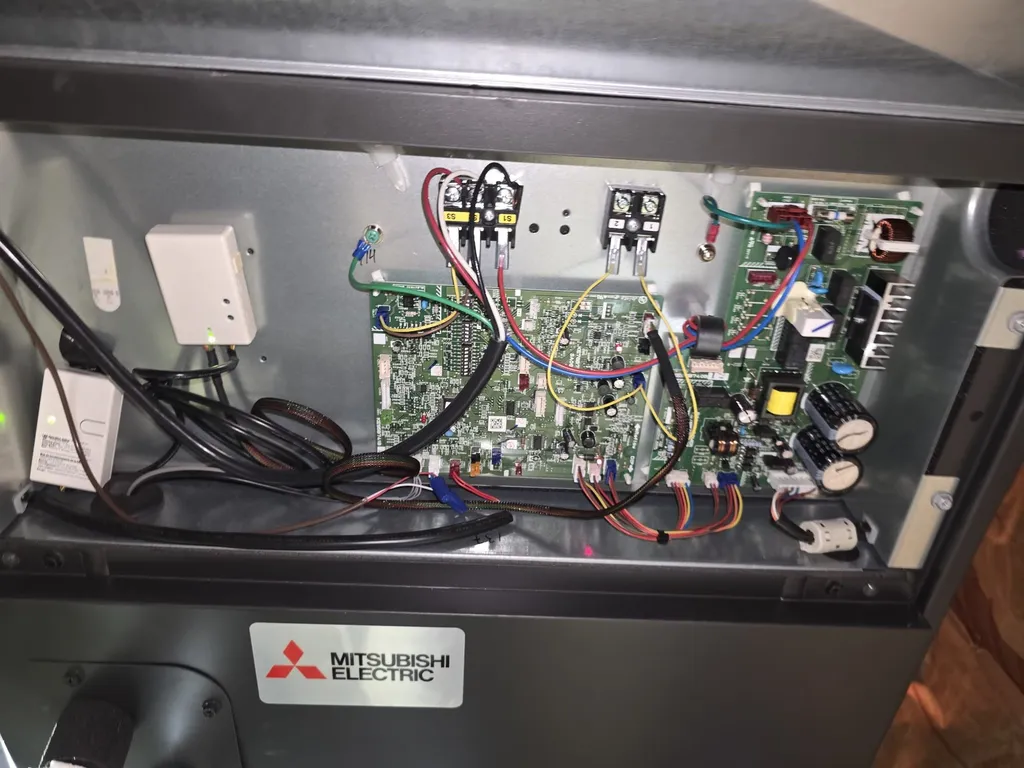
Real numbers beat a generic promise of fast response, so here’s one: in one of our documented heating system failure cases, a homeowner’s 17-year-old heating system failed completely, and our crew was on-site within a few hours of the call. Because the necessary equipment was already available from our stock rather than needing a special order, the job was fully resolved and closed out the same day: diagnosis, replacement equipment, and installation, all within one visit rather than stretching across a multi-day wait for parts.
That’s the practical difference between a company that says “we respond fast” and one that can point to an actual timeline: hours to arrival, same-day resolution, because the equipment needed to actually fix the problem was already on hand rather than something the homeowner had to wait on.
Emergency Service vs Scheduling a Routine Repair: How to Decide
The honest tradeoff is straightforward once you see it laid out: emergency and after-hours HVAC calls typically cost 1.5 to 2 times more than a scheduled daytime visit, and in some cases the gap runs even wider. Waiting for regular business hours, when the situation genuinely allows it, can save $300 to $800 on a single call compared to an after-hours dispatch.
The decision isn’t really about the money, though. It’s about whether your specific situation can actually tolerate the wait. If nobody in the home is at meaningful health risk from the temperature, if there’s no gas smell, no CO alarm, no water actively leaking, and no burning smell or visible electrical failure, scheduling a routine repair for the next business day is usually the financially sensible choice. If any of those risk factors are present, the after-hours premium is the cost of not gambling with someone’s safety overnight, and it’s worth paying without a second thought.
Frequently Asked Questions: Emergency HVAC Service in Seattle
What qualifies as an HVAC emergency?
A true HVAC emergency involves a real risk to health or safety, not just discomfort: a complete loss of heat during freezing weather, a complete loss of cooling during dangerous heat, any smell of gas, a triggered carbon monoxide detector, active water leaking from equipment, or any burning smell or visible electrical arcing at the unit. A system running poorly but still functioning generally doesn’t meet this threshold and can typically wait for a scheduled daytime visit instead.
How fast can Product Air respond to an HVAC emergency?
In one documented case, our crew arrived on-site within a few hours of a call reporting a complete heating system failure, and because the necessary replacement equipment was already in stock rather than needing to be special-ordered, the job was fully resolved the same day. Response time on any specific call depends on current demand and your location within our service area, but same-day resolution is a realistic outcome when equipment is already on hand.
What happens during an emergency HVAC visit?
A technician is dispatched to assess the actual failure on-site, working to confirm both what’s wrong and whether it can be safely resolved during that same visit. If the necessary parts or equipment are available immediately, the repair or replacement typically happens right then; if not, temporary measures are put in place to keep the household safe and comfortable until the permanent fix can be completed. The goal on any emergency call is restoring safety first, full function second, without leaving a family to manage the gap themselves.
Is no heat in winter always an emergency?
Not automatically, it depends on how cold the home is actually getting, how quickly, and who’s living there. A furnace failure on a mild evening in a well-insulated home with healthy adult occupants can usually wait for a scheduled repair, while the same failure during a hard freeze, or with an infant, elderly resident, or anyone medically vulnerable in the house, is a genuine emergency. Extended cold also raises a separate risk of frozen pipes, which is worth factoring in when deciding whether a repair needs to happen that same night.
Does emergency HVAC service cost more than scheduled repair?
Yes, typically 1.5 to 2 times more than a standard daytime visit, reflecting the after-hours labor premium contractors charge for evening, overnight, and weekend calls. Waiting for regular business hours when your situation safely allows it can save an estimated $300 to $800 per call. When there’s a genuine safety risk involved (no heat in freezing weather with vulnerable occupants, a gas smell, a CO alarm), that premium is worth paying without hesitation; when there isn’t, scheduling during business hours is usually the more financially sensible choice.
Key Takeaways for Seattle Homeowners Facing an HVAC Emergency
- A true HVAC emergency involves genuine risk to health or safety: complete loss of heat or cooling with vulnerable occupants, a gas smell, a CO alarm, active water leaking, or an electrical fault, not simply a system running poorly.
- Industry-typical emergency HVAC pricing in the Seattle area runs $250 to $475 for the service call and first hour combined, well above standard daytime rates, though your exact quote depends on the specific failure.
- Fast response is measurable, in one of our own cases, a crew arrived within hours of a call and resolved a full heating system failure the same day because equipment was already in stock.
- Whether “no heat” is an emergency depends on actual indoor temperature, outdoor conditions, and who’s living in the home, not just the fact that the furnace stopped.
- Emergency and after-hours calls typically cost 1.5 to 2 times more than a scheduled daytime visit, so it’s worth honestly assessing whether your situation can safely wait before defaulting to an after-hours dispatch.
- When genuine safety risk is present, the after-hours premium is worth paying without hesitation. That’s exactly the gap it exists to cover.
The goal isn’t to talk every homeowner into an after-hours call, and it isn’t to talk anyone out of one when it actually matters. It’s giving you enough to tell the difference yourself, at eleven at night, before you’ve had to make that call under pressure.
— Serge Nikolin, Co-Founder, Product Air Heating, Cooling and Electric
Marysville · Issaquah · Seattle · Western Washington
PLAN YOUR NEXT STEP
Need help with your home comfort?
Explore Product Air’s hvac services or contact the team.
Share this guide