


Location: Southeast Cedar Falls Way corridor, North Bend, WA 98045
Call Date: May 4, 2026
First Visit: May 15, 2026
Project Completion: May 15, 2026
Lead Technician: Eli Nikolin, manufacturer certified
System Before: Traditional gas furnace and central air conditioning, with undersized equipment and improper duct and airflow design for the size of the home
System After: Mitsubishi Hyper-Heat heat pump system with two independent air handlers, one per floor, plus redesigned ductwork and a Navien tankless water heater
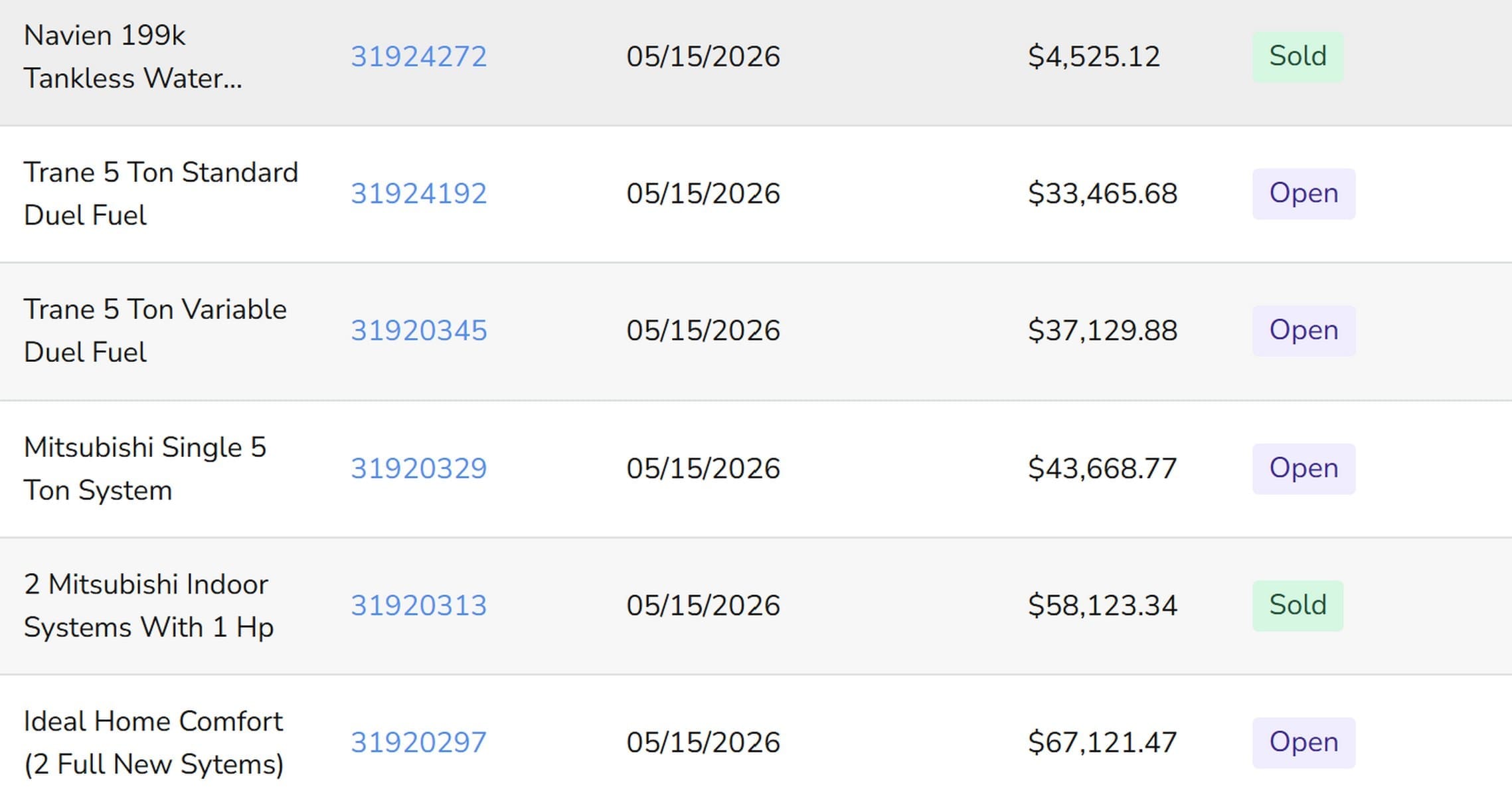
Final Project Cost: $61,748.81 before tax
Dan's two-story home on the Southeast Cedar Falls Way corridor in North Bend had never been comfortable since the day he and his family moved in. The existing gas furnace and air-conditioning system was 5 to 8 years old, technically working, but the house never behaved the way a working system should. Downstairs ran too cold while upstairs stayed too warm in summer, and the whole thing flipped in winter. Dan called Product Air on May 4, 2026, looking for something other than another equipment swap that wouldn't fix the actual problem.
The House in North Bend
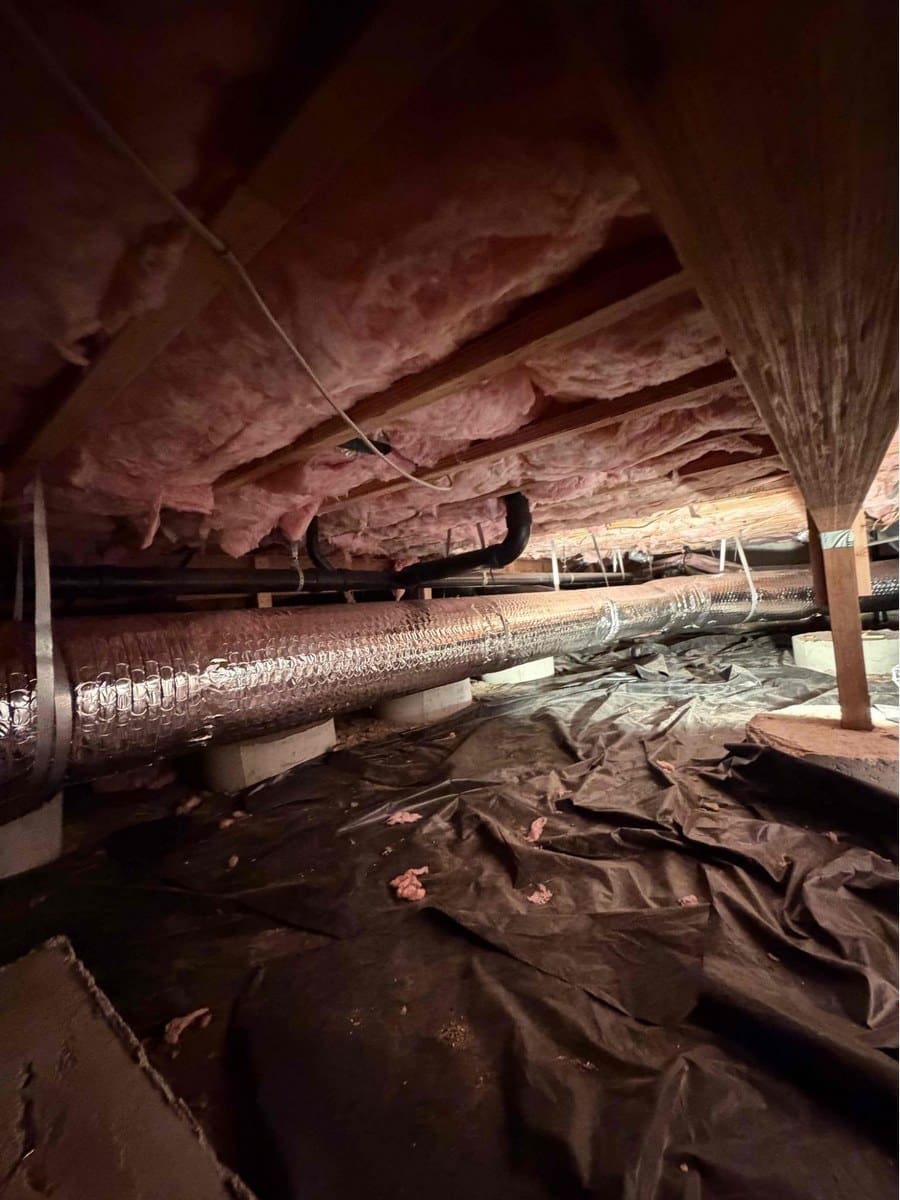
Dan’s home is a 5,010-square-foot, two-story single-family house built in 2016, with five bedrooms. Before the conversion, a single central system served both floors, with the ductwork running through the crawlspace.
Why Dan Called Product Air
Eli Nikolin met with Dan's wife when he arrived. The family's complaint was specific and consistent: the temperature difference between floors was the whole problem, not the equipment's age by itself. During the summer, the downstairs could be too cold while the upstairs remained too warm, and the reverse happened in winter. Their goal wasn't a new furnace for the sake of a new furnace. It was consistent comfort and real control, floor by floor, which the existing system had never been able to give them. This wasn't the family's first call to a contractor about it, either. Product Air was approximately the second or third company to evaluate the home. The specific companies aren't documented in the job record, but their proposed fixes are: tighten the flex ductwork or make minor adjustments to it in the crawlspace, and possibly replace the existing equipment. Straightforward moves, and also the kind of moves that leave the underlying airflow problem exactly where it was.
Why Do Two-Story Homes Run Hot Upstairs and Cold Downstairs?
Heat rises, which is part of the story, but it's rarely the whole story. In a lot of two-story homes built with a single central system, one thermostat is asked to represent both floors at once, and the ductwork has to move air through two very different zones using one shared trunk line. If that ductwork was undersized or poorly routed when the house was built, or if it was sized for equipment smaller than what the home actually needs, the system can't balance the two floors no matter how it's run. It's a design and airflow problem, not a matter of the thermostat setting or the equipment's age. Replacing the furnace alone, without addressing the ductwork and the single-zone design, tends to reproduce the same complaint with newer equipment.
What Eli Found
The primary issue wasn't simply the age of the equipment. The home had improper duct and airflow design for a house of its size, along with equipment that was undersized for the application. The existing design wasn't allowing the system to properly distribute and balance airflow between the two floors, which is why the temperature swings persisted no matter how the old furnace and AC were run.
There was also a second, unrelated problem on site. The home's water heater had failed, and once Eli's crew was working through the mechanical spaces, they found that its condensate drainage had been improperly installed with a double P-trap, which was preventing proper drainage, along with water-heater venting that had an excessive number of elbows, adding stress to the equipment. Neither issue was part of the original service request. Both got fixed as part of this job.
Why a Two-Zone Heat Pump Was the Right Call
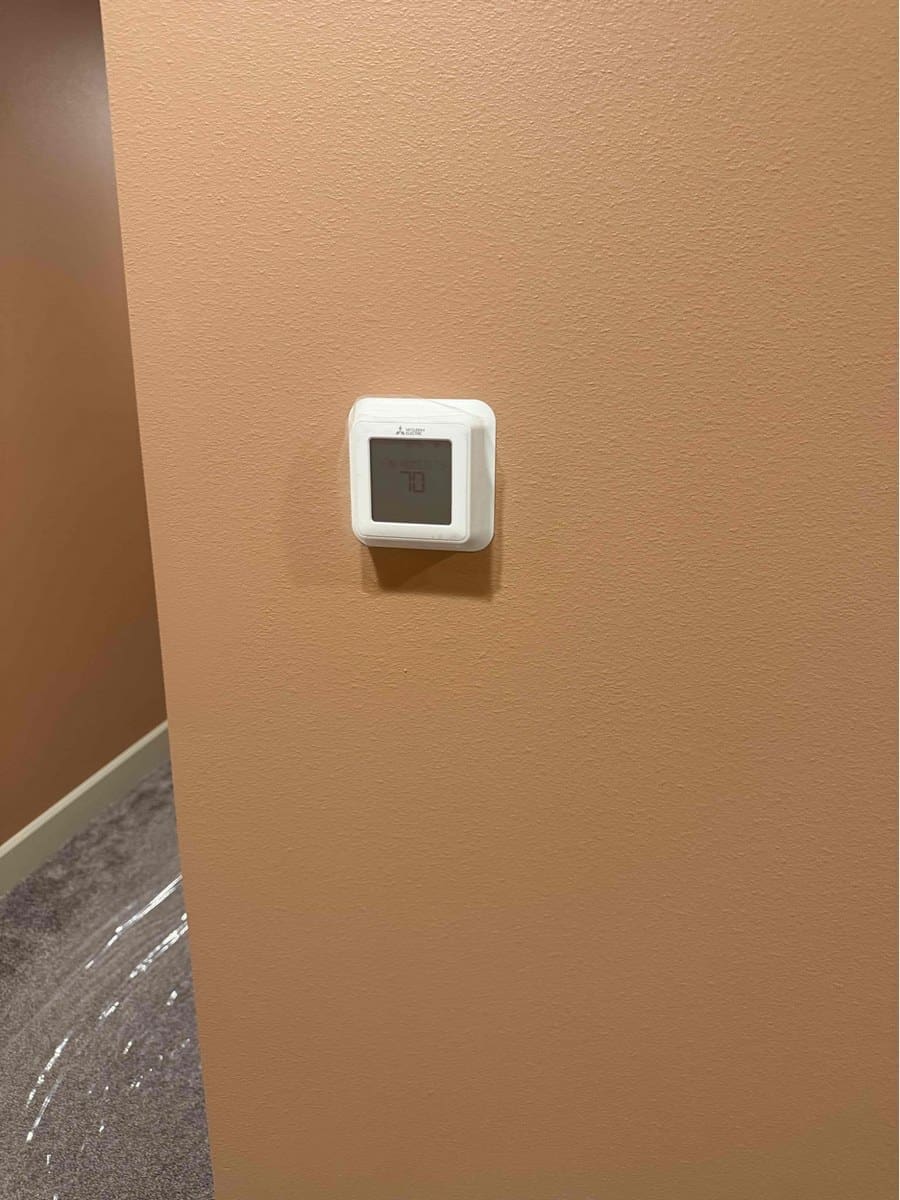
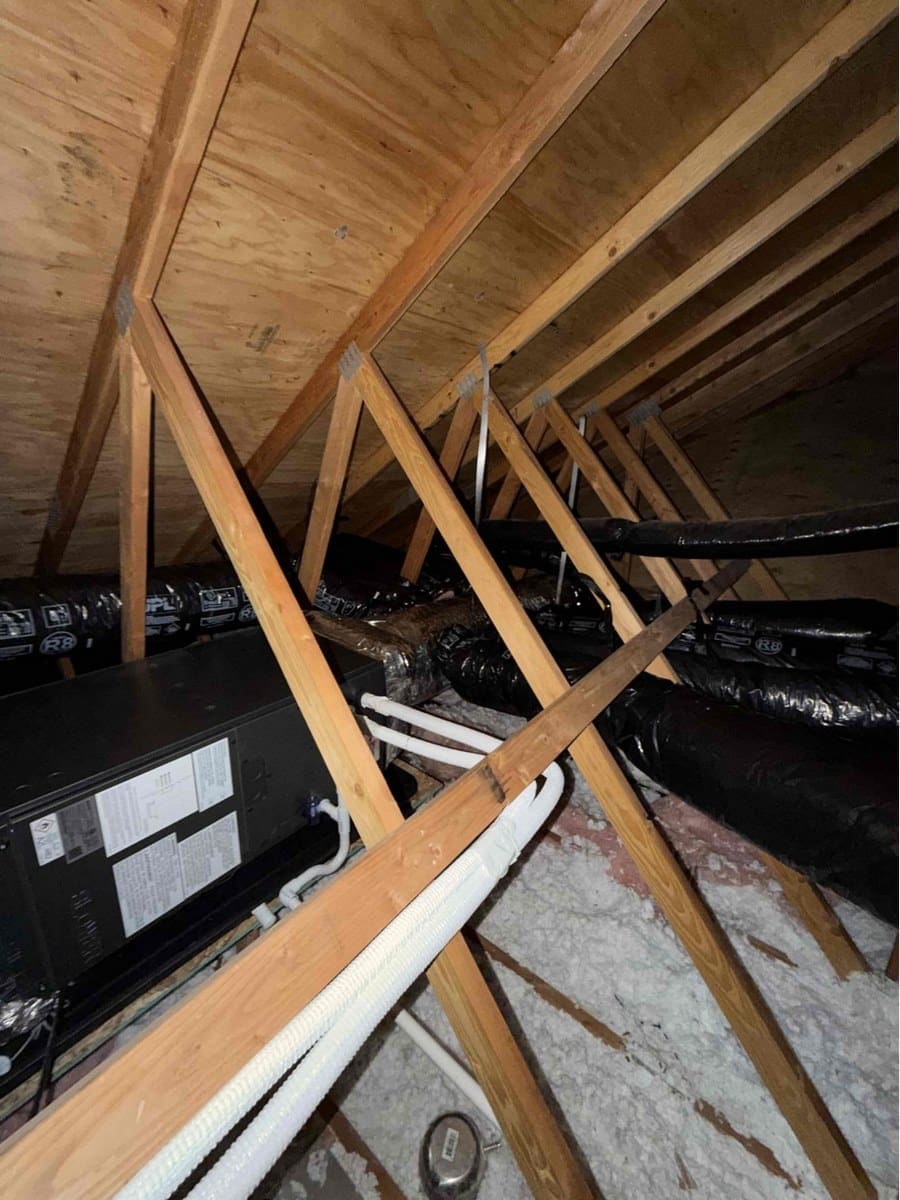
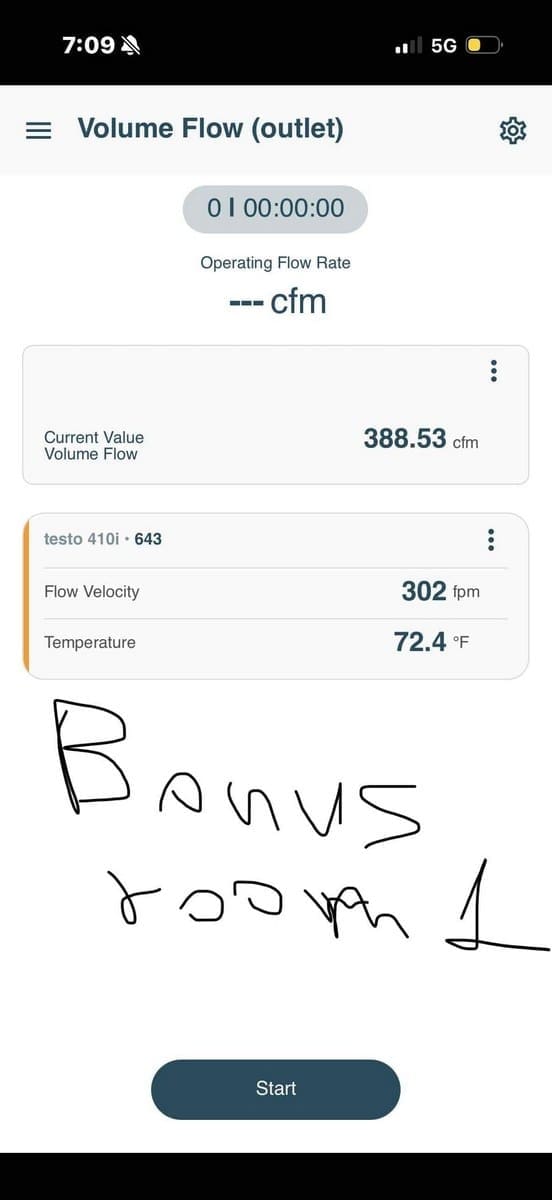
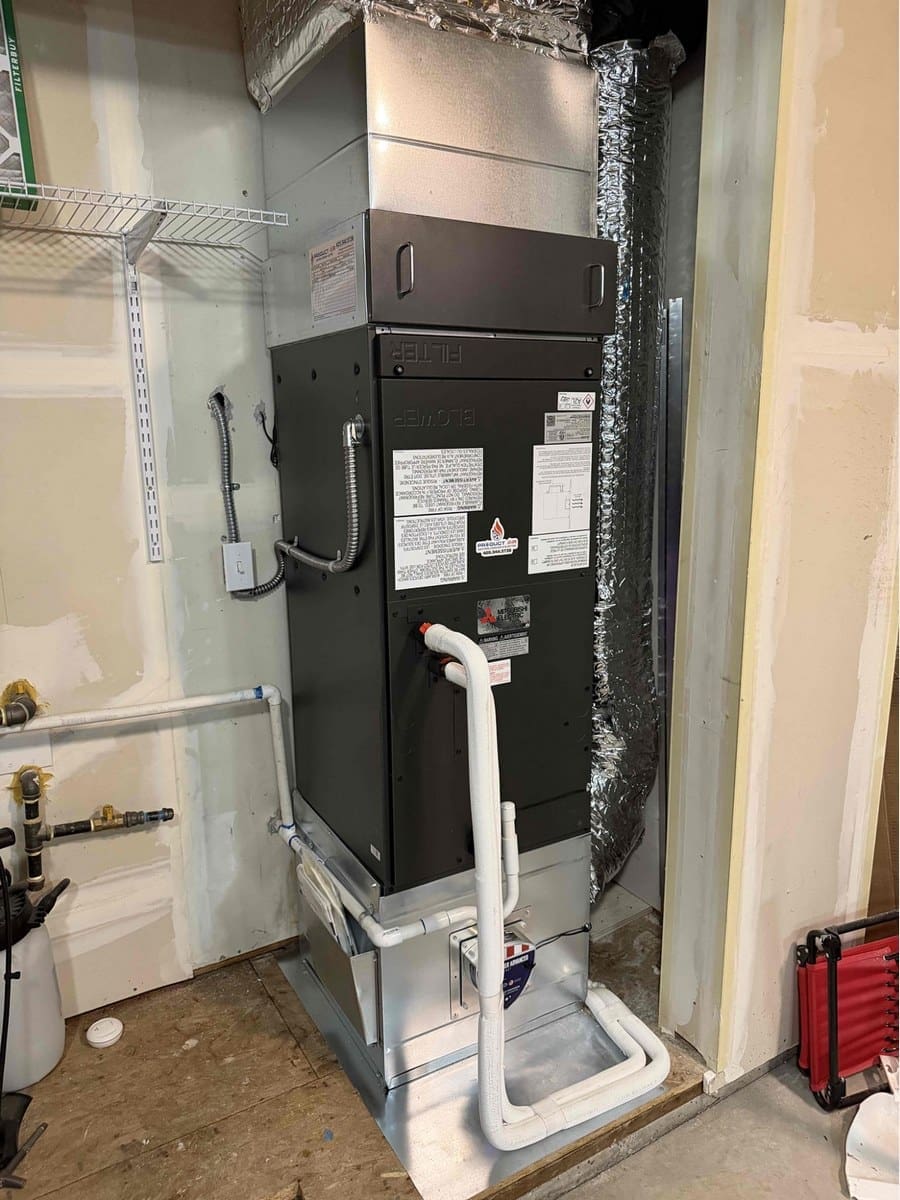
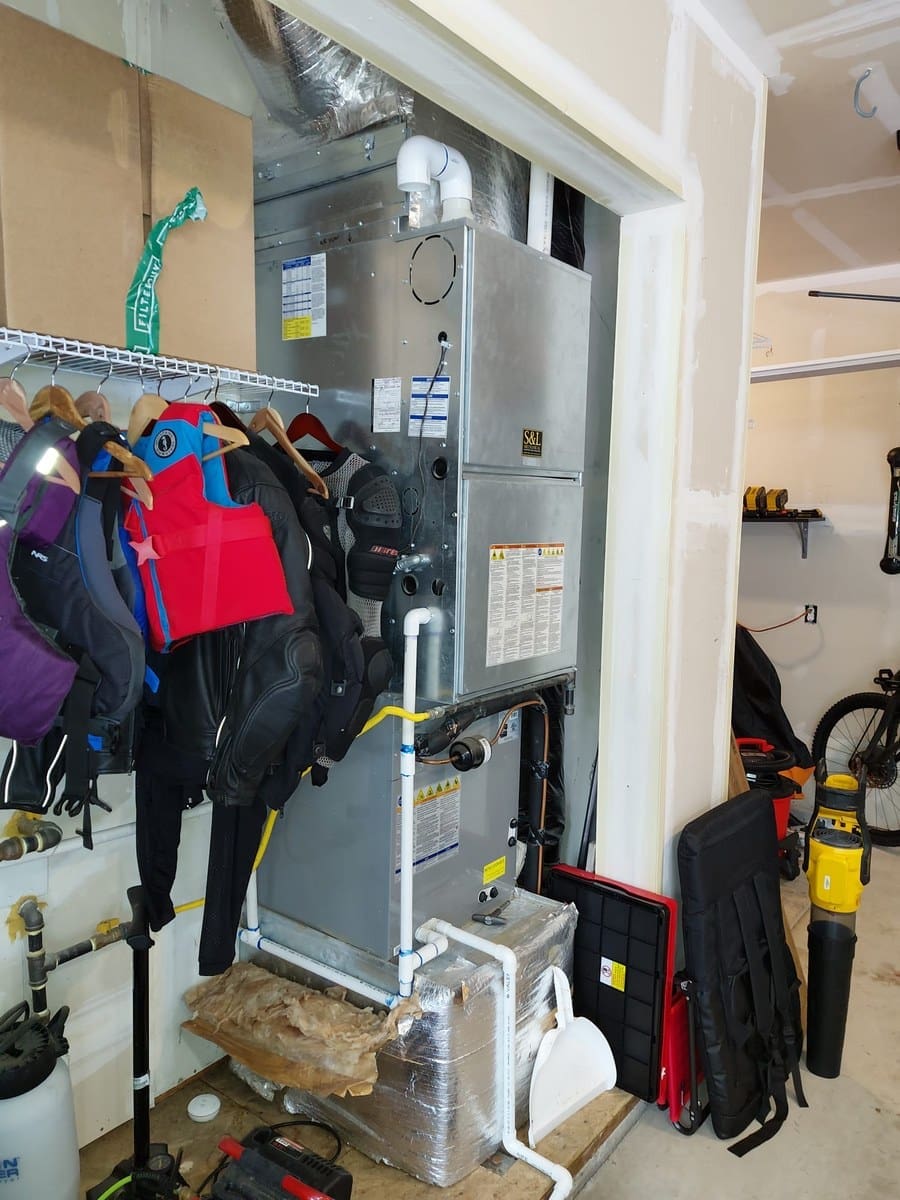
After talking with the homeowners, Eli learned that independent temperature control between the upstairs and downstairs mattered to them specifically, including a preference for keeping the upstairs cooler for sleeping, in both summer and winter. Instead of simply swapping in a new furnace and calling the job done, Product Air recommended redesigning the system around how the family actually uses the house: separate the two floors completely with two independent air handlers, redesign the downstairs ductwork to properly handle the required airflow, then air-balance the finished system. That approach gives each floor independent control and corrects the underlying airflow problem, rather than just replacing the box that moves the air.
The equipment chosen for the conversion was a Mitsubishi Hyper-Heat heat pump system, Mitsubishi's cold-climate line. That distinction matters more in North Bend than it would closer to Seattle proper. The Snoqualmie Valley runs measurably colder and wetter than the city: winter lows average around 34 degrees Fahrenheit, the area sees roughly 50 days a year below freezing, and annual rainfall runs well above Seattle's average. A standard heat pump can lose efficiency as outdoor temperatures drop; a cold-climate-rated system is built to keep performing through it, which is the difference that made Hyper-Heat the appropriate choice for this valley location rather than a general-purpose line.
What Was Non-Standard About This Install
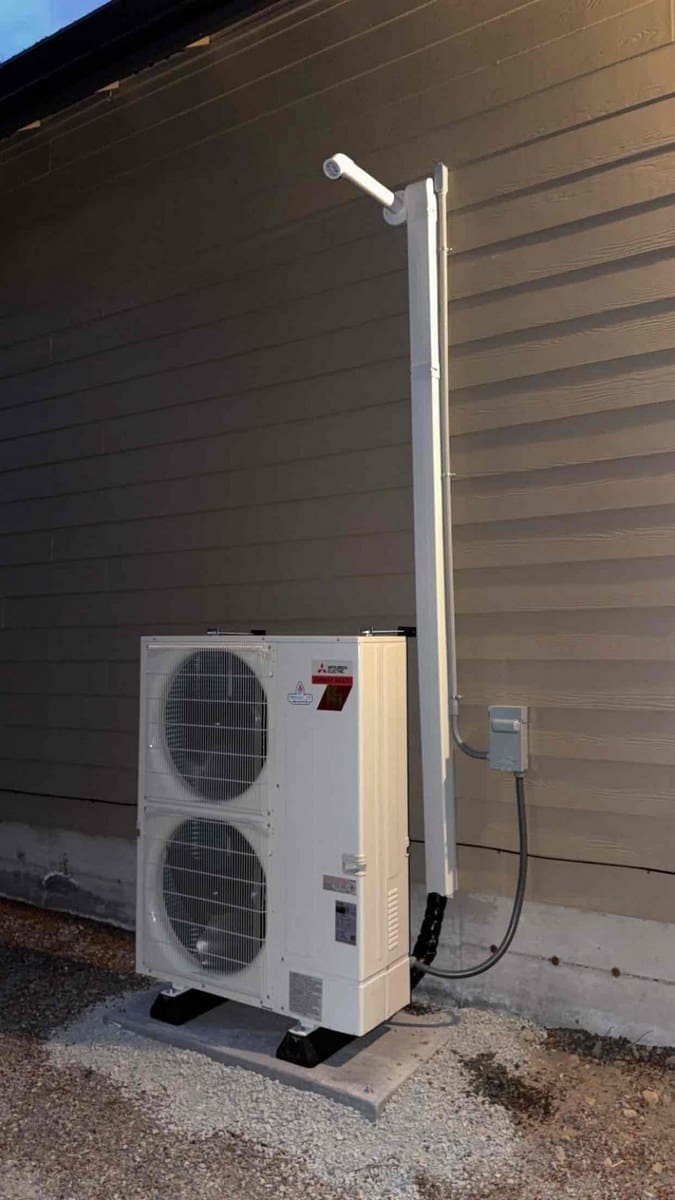
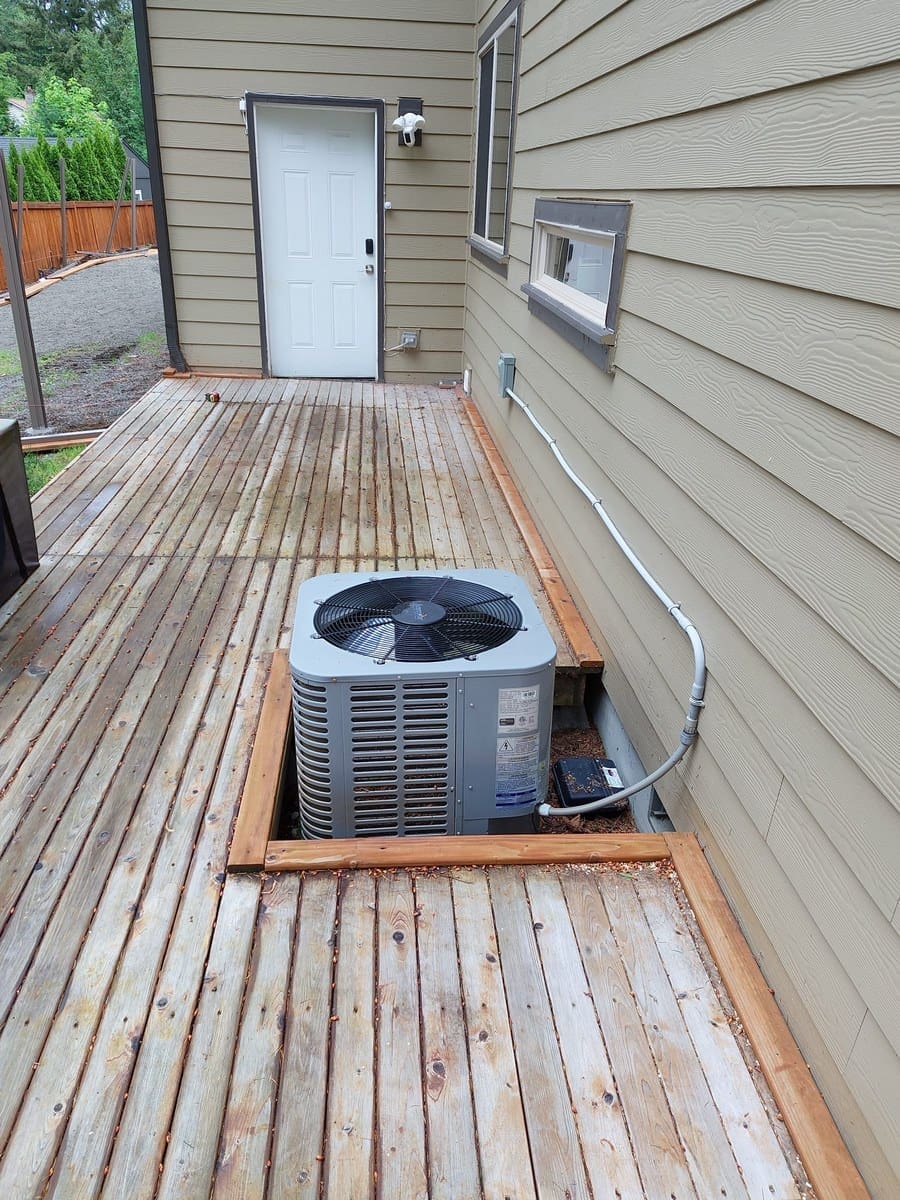
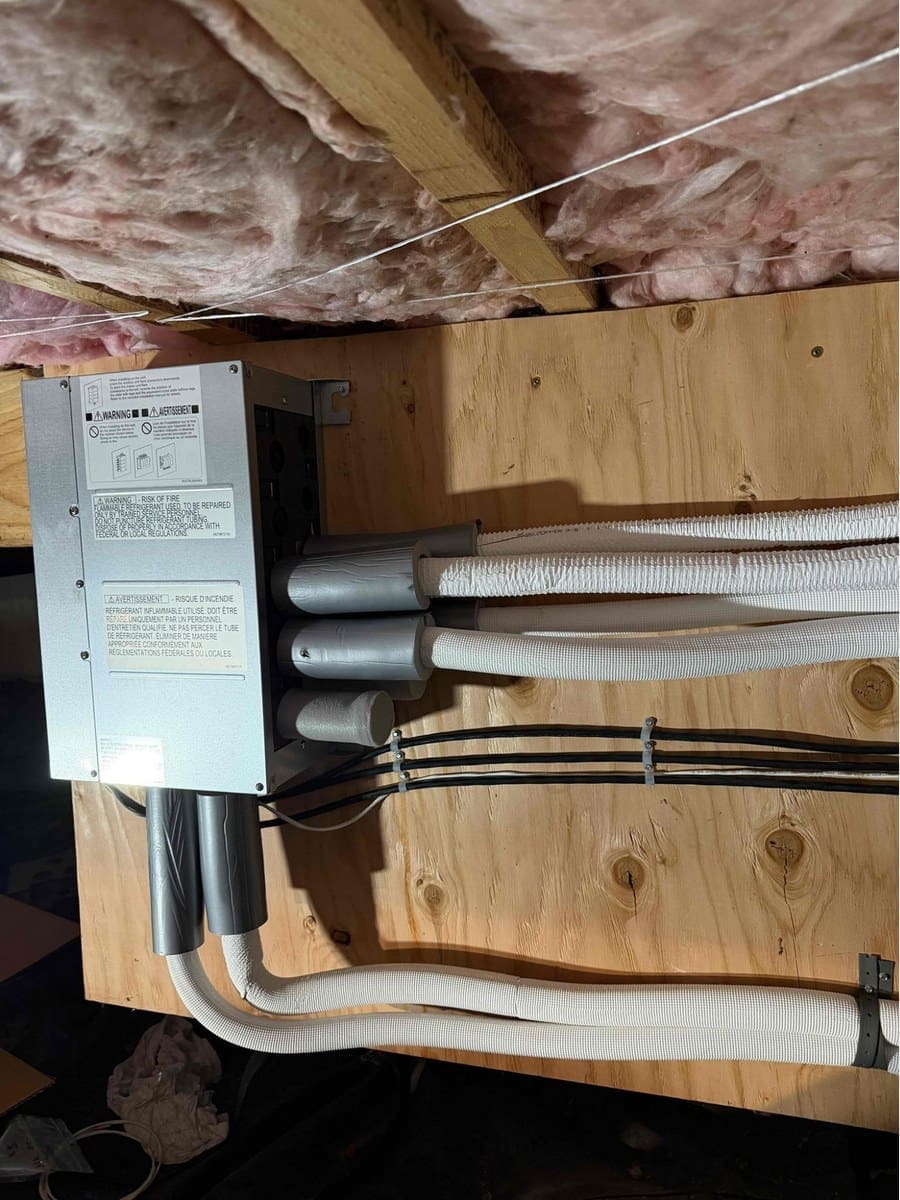
This was considerably more involved than a routine equipment replacement. The existing outdoor AC unit had essentially been built into the deck area, so the new outdoor unit was relocated behind the garage instead. That relocation required rerouting and upgrading electrical, installing new refrigerant line sets, modifying and redesigning ductwork, installing separate air handlers for each floor, and balancing the completed system once everything was in place. None of that is standard scope for a furnace swap. It's what a whole-system redesign actually takes.
What Was Installed
By the time the plan was finalized, this had become a full-system correction rather than a simple equipment replacement:
Component |
Detail |
|---|---|
Heating/cooling system |
Mitsubishi Hyper-Heat heat pump, two independent air handlers (upstairs and downstairs zones) |
Outdoor unit location |
Relocated behind the garage (previously built into the deck area) |
Ductwork |
Downstairs ductwork redesigned to properly handle required airflow (full system air-balanced after install) |
Electrical |
Rerouted and upgraded to support the relocated outdoor unit |
Refrigerant lines |
New line sets installed for the relocated equipment |
Water heater |
Navien tankless water heater, replacing a failed unit; condensate routing and venting corrected |
The Timeline
Dan called on May 4, 2026. The equipment sale and the full scope of work, from relocating the outdoor unit to redesigning the ductwork to replacing the water heater, were completed by May 15.
The Real Number
The final project total was $61,748.81 before tax. That covered the two-zone Mitsubishi heat pump system, the ductwork redesign, and the Navien tankless water heater. The Navien estimate was fixed-price: it included all labor and materials, with no variation once approved.
No significant local utility rebate applied to this conversion. Dan’s home gets both natural gas and electricity from Puget Sound Energy (PSE), and PSE’s rebate for converting to an air-source heat pump only applies when the existing system is electric resistance heat, which this wasn’t; a gas furnace conversion doesn’t qualify under that specific program. The system was eligible for a mid-stream equipment rebate, which is paid to the distributor rather than showing up as a line item on the customer’s invoice, and other income-qualified programs didn’t apply based on the homeowners’ eligibility.
For a project at this scale, we also work with GreenSky and Service Finance Company, LLC, and most applications get a decision in minutes. Financing is subject to credit approval.
Warranty
Product Air Heating, Cooling, and Electric backs the Mitsubishi Hyper-Heat system with a 12-year manufacturer warranty and a five-year labor warranty. The Navien tankless water heater carries a five-year manufacturer warranty and a two-year labor warranty.
What It Means for the House Going Forward
The home went from a traditional gas furnace and air-conditioning system to a Mitsubishi Hyper-Heat heat pump system, with independent control of the upstairs and downstairs for the first time. The new setup is meant to deliver better temperature control between floors, improved efficiency, fewer hot and cold spots, and quieter operation, on top of correcting the duct and airflow problems that had limited the old system since before the family moved in.
The homeowner left Product Air a five-star review afterward. She specifically appreciated how detailed the approach was and the number of options the family was given: rather than a single take-it-or-leave-it proposal, they were offered multiple options at different levels so they could choose the one that actually matched their comfort goals and priorities, instead of just their budget.
Where This Job Fits: Our Issaquah Team
This job was handled by our Issaquah team, the crew that covers Issaquah and the Eastside. Our Issaquah location covers King County, including North Bend, Issaquah, and Sammamish.
Frequently Asked Questions
Why replace a working gas furnace with a heat pump?
A furnace can run fine mechanically and still fail to deliver even comfort if the underlying ductwork and zoning were never designed to handle the home correctly. In this case, the furnace itself wasn't the complaint; the multi-year temperature imbalance between floors was, and that required redesigning how air moves through the house, not just swapping the equipment that heats it.
Can one heat pump system control two floors independently?
Yes, with the right setup. A two-zone system with a separate air handler for each floor lets each level run its own temperature and schedule, rather than sharing one thermostat and one duct run for the whole house. That's what made independent upstairs and downstairs control possible on this job.
Do heat pumps work well in colder climates like North Bend?
A cold-climate-rated heat pump, like the Mitsubishi Hyper-Heat line, is built to keep its efficiency as outdoor temperatures drop, which matters in a valley location like North Bend that runs colder and wetter than close-in Seattle. A standard heat pump not rated for cold climates can lose meaningful efficiency in that same weather.
Are there rebates for switching from gas to a heat pump in Washington?
It depends on the utility and the existing system. Puget Sound Energy's residential heat pump conversion rebate, for example, only applies when converting from electric resistance heat, not from a gas, propane, or oil furnace. Rebate eligibility should be checked against the specific program and the home's current heating type before assuming a project qualifies.
What does relocating an outdoor heat pump unit involve?
Moving an outdoor condensing unit to a new pad location typically means new refrigerant line sets sized for the new run, updated electrical to the new location, and a new equipment pad. It adds real labor and material cost compared to a like-for-like swap, but it's sometimes the only way to correct a poor original placement, in this case a unit that had been built into a deck area.
How long does a project like this usually take?
For a job of this scope, which included redesigning ductwork, relocating the outdoor unit, and replacing a water heater, the work was completed within about 11 days of the initial call. A more contained conversion without a relocation or a ductwork redesign typically takes less time.
Can existing ductwork built for a furnace work with a new heat pump system?
Sometimes, but not always. Ductwork sized and routed for one system's airflow requirements doesn't automatically suit another, especially when the original design was already undersized or unbalanced. That's why a proper conversion starts with evaluating the existing ductwork rather than assuming it will work as-is with new equipment.
Key Takeaways
- Uneven upstairs and downstairs comfort in a two-story home is usually a ductwork and zoning problem, not just an equipment-age problem. Earlier contractor evaluations here proposed only minor duct adjustments or an equipment swap, and none of those fixes would have addressed the underlying imbalance.
- The fix was a two-zone Mitsubishi Hyper-Heat system with independent air handlers per floor, plus a full ductwork redesign and system air-balance.
- A cold-climate-rated heat pump was the right equipment choice for North Bend's colder, wetter valley climate compared to close-in Seattle.
- A failed water heater with improperly installed condensate drainage was found and corrected as part of the same job.
Dan's family had lived with a house that fought itself for years before this job. Two floors, one thermostat, and ductwork that was never built to balance the two, no matter what equipment sat in the mechanical room. The fix wasn't a bigger furnace. It was redesigning how the whole system moves air, floor by floor, and giving each level its own independent control for the first time.
If your heating and cooling system has never quite matched room to room or floor to floor, that's usually fixable, and it rarely means the home simply needs bigger equipment. See our reviews on Google or reach out to talk through what a real diagnosis would look like for your home.
PLAN YOUR NEXT STEP
Need help with your home comfort?
Explore Product Air’s heat pumps services or contact the team.
Share this guide