


Location: Florence Acres Rd, Monroe, WA 98272
Call Date: July 8, 2026
First Visit: July 8, 2026
Work Start: July 13, 2026
Project Completion: July 13, 2026
Service Type: Heat pump estimate and replacement
Lead Technician: Brandon S, 10+ years of HVAC experience
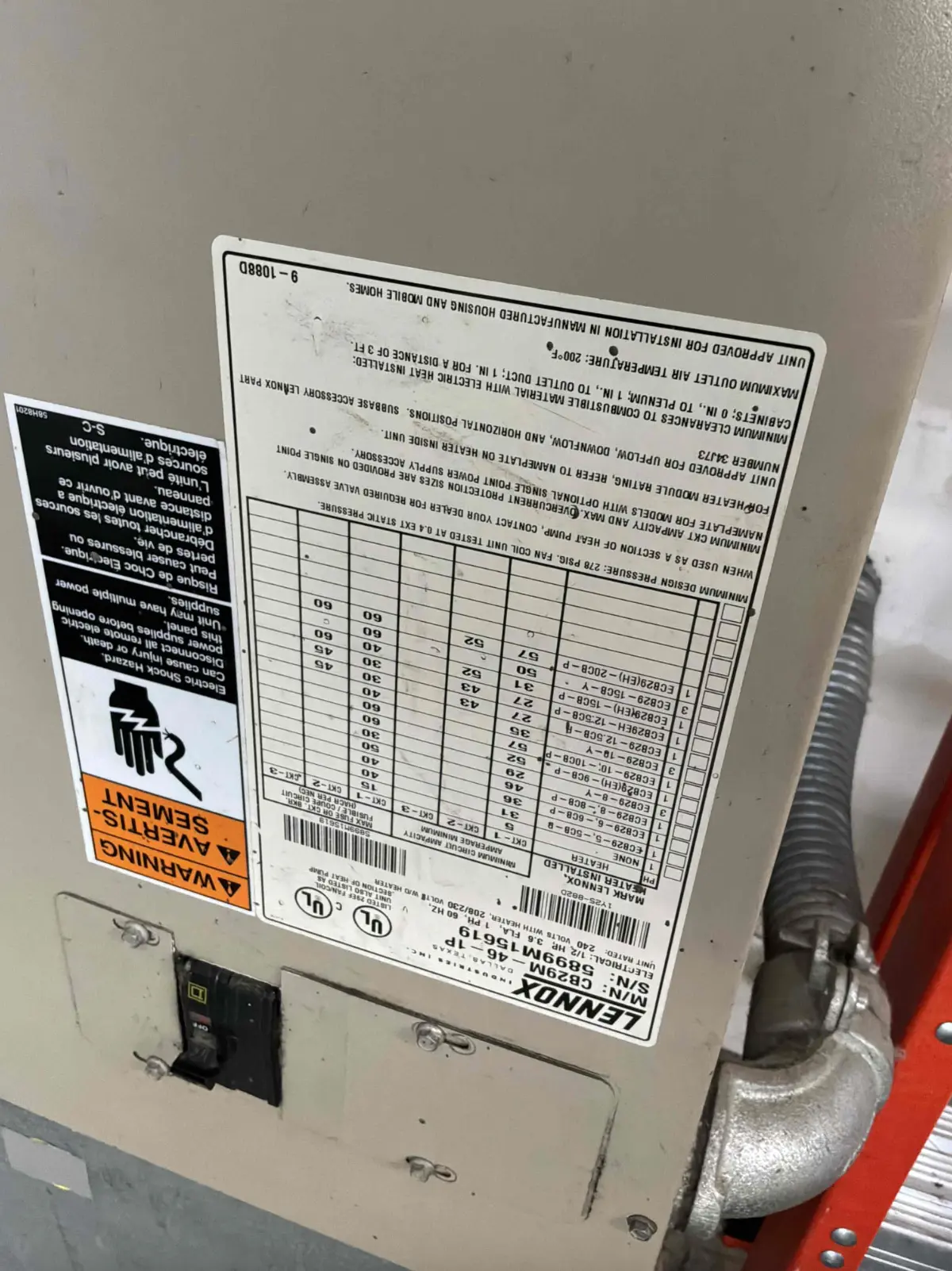
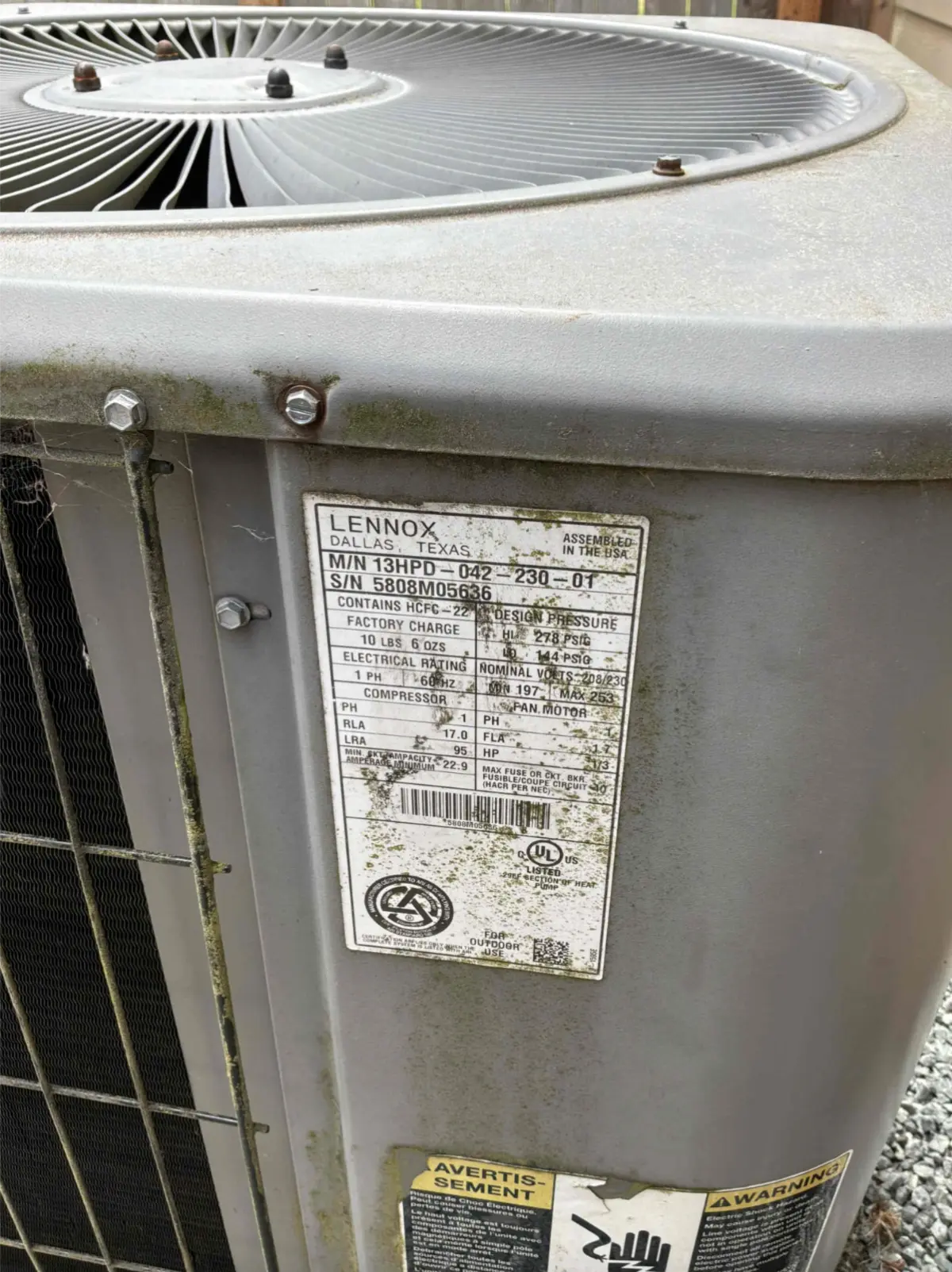
System Before: Lennox air handler, model CB29M-46-1P, and Lennox heat pump, model 13HPD-042-230-01, failed and not operational
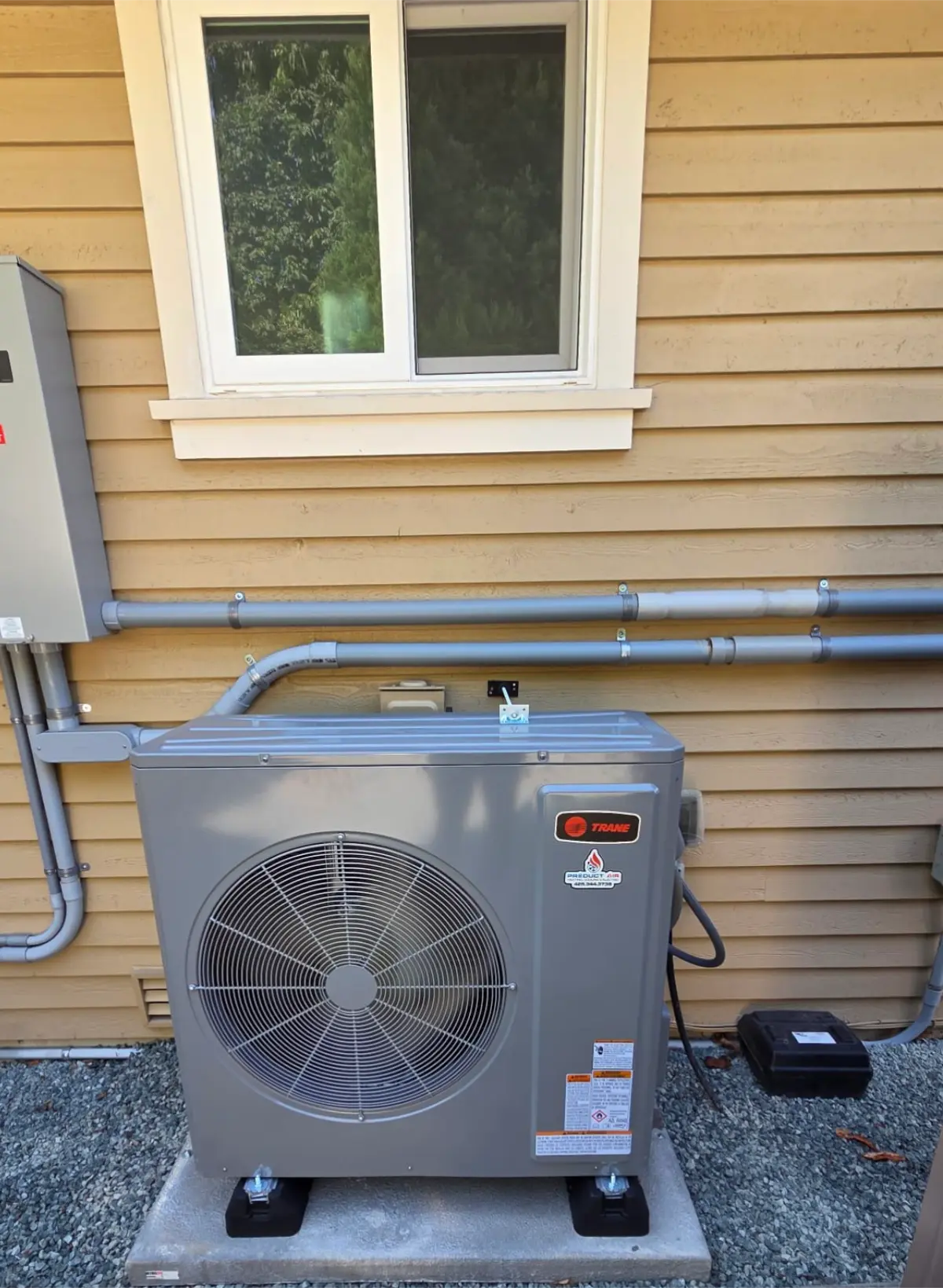
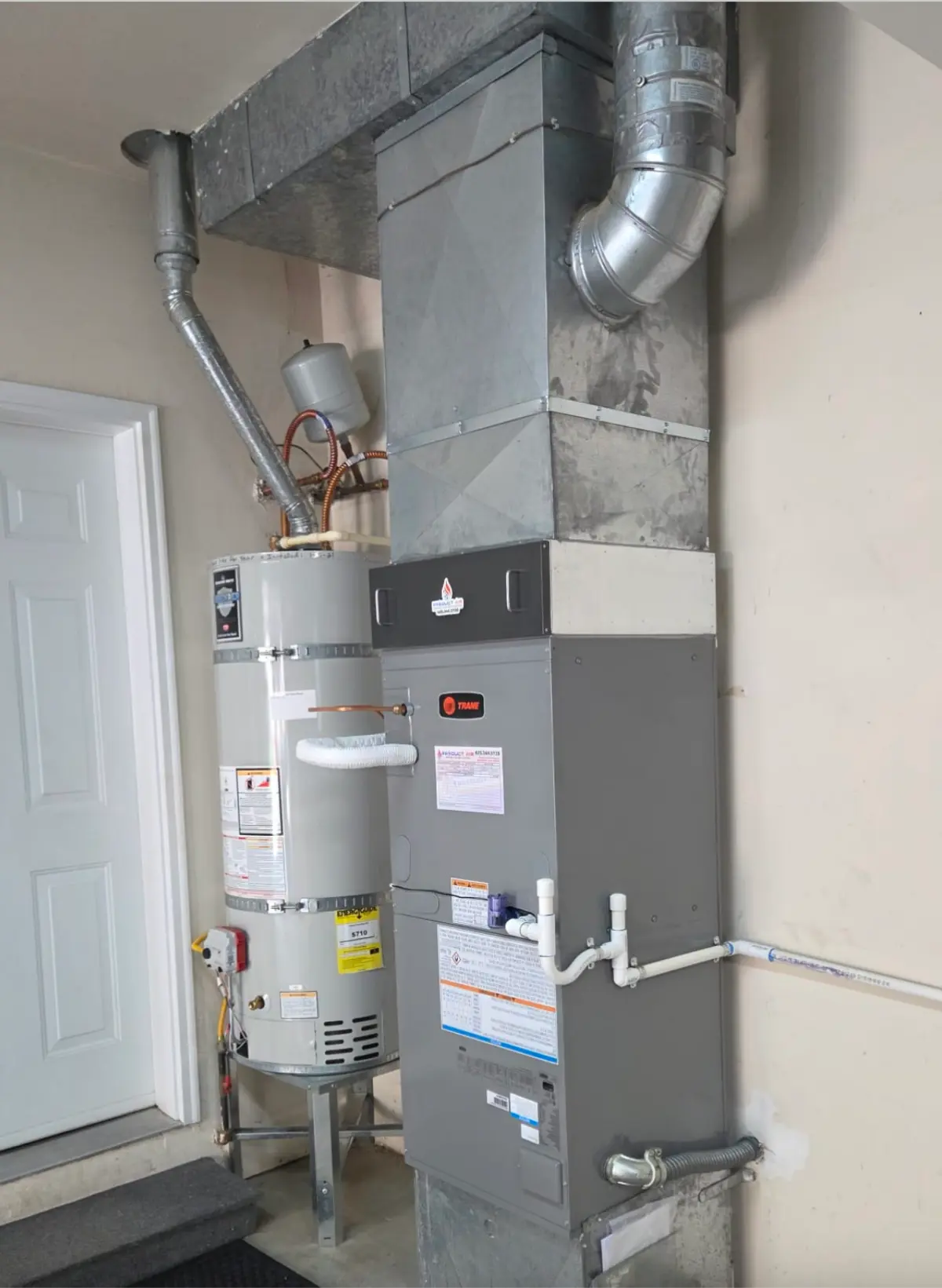
System After: Trane Resolute 3-ton variable-speed air handler with Trane Resolute inverter heat pump and 10 kW electric backup heater
Final Project Cost: $16,435.61, no rebates available
Heat Pump Replacement in Monroe, WA: Replacing a Failed Lennox System With a Trane Resolute
Cindy was done trying to make a failed HVAC system work around her life. The Lennox heat pump was no longer operating, summer cooling was gone, and the house was leaning on electric heat enough for her to notice it in the utility bills. She wanted comfortable cooling back, but she also wanted the replacement to be something she could rely on for heating instead of trading one seasonal problem for another.
A referral brought her to Product Air on July 8, and Brandon was at the Monroe house that same day. He spent about two hours going through the home and listening to what Cindy actually wanted from the next system before building the replacement around equipment.
The House in Monroe
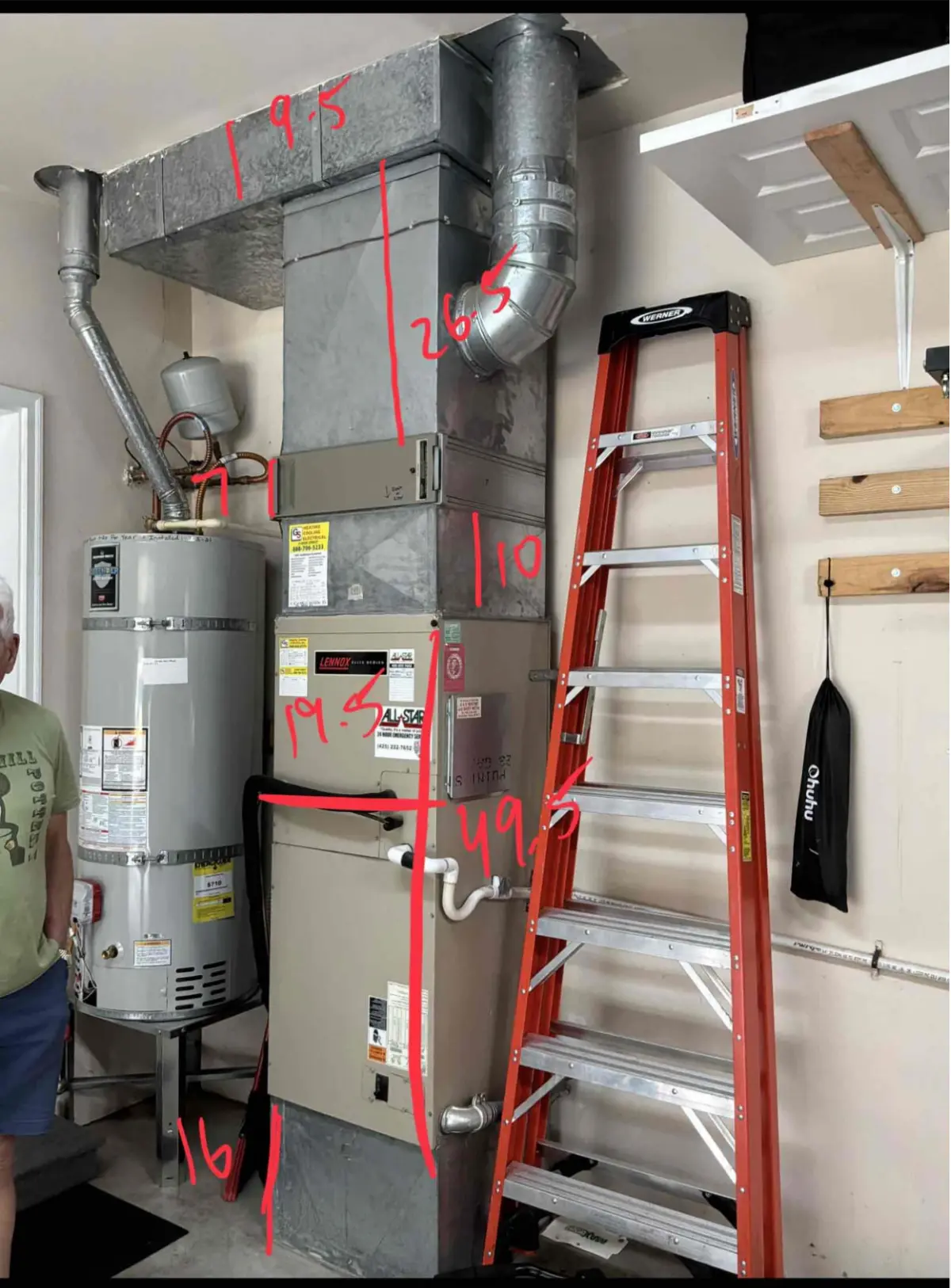
Cindy’s home is a 2,803-square-foot single-family house built in 2000. It has one story and three bedrooms. The existing HVAC equipment was Lennox. The indoor unit was a CB29M-46-1P air handler, paired with a 13HPD-042-230-01 heat pump outside. By the time Cindy called us, the existing system was documented as failed and not operational. Cindy needed a functioning heating and cooling system again.
Why Electric Heat Had Become Part of the Problem
The failed Lennox had left Cindy relying much more heavily on electric resistance heat, and she was already seeing the difference in her utility bills. Restoring cooling mattered, but Brandon also had to solve what would happen the next time Monroe got cold. Replacing the outdoor unit with something that only handled summer comfort would have left half of Cindy’s problem untouched.
Electric resistance heat makes heat directly from electricity, while a heat pump uses electricity to move heat into the house. That difference is a big deal in normal operation because the heat pump can deliver more heat to the home for the electricity it consumes than resistance heat alone. Cindy’s new system still includes a 10 kW electric heater for supplemental heat when the system needs it, but it is no longer asking those heating elements to carry the house by themselves. The Trane Resolute heat pump now does the primary heating and cooling work, with the electric heater available when conditions or system demand call for additional capacity.
Cindy’s Failed Lennox Heat Pump System
The old system consisted of:
| Equipment | Existing System |
| Air handler | Lennox CB29M-46-1P |
| Outdoor unit | Lennox 13HPD-042-230-01 heat pump |
| Condition | Failed and not operational |
Brandon spent about two hours with Cindy during the site consultation. The conversation started with what Cindy wanted the house to do. She wanted dependable summer cooling, better climate control, and heating she could rely on in colder weather. Cindy’s answer was pretty clear. The old system had failed, the electric heat was getting expensive, and she wanted the house comfortable again.
What Product Air Installed
Product Air replaced the failed Lennox equipment with a Trane Resolute system built around a 3-ton, 36,000 BTU variable-speed air handler, model 5TDM5C04AC31SA, and a side-discharge inverter heat pump, model 5HCL5036B1000A. The case documentation lists the outdoor unit in the 16–19 SEER2 range with a 30-amp circuit requirement.
The inverter heat pump can adjust its output instead of operating like a simple full-on, full-off system, while the variable-speed air handler can move air more gradually as the load changes. That gives Cindy a system designed to hold temperature more steadily and avoid the hard cycling she was used to from older equipment. Product Air also installed a 10 kW electric heater, model RQS BAYHTR10CCHP, so the house still has supplemental electric heat available when the heat pump needs help rather than asking resistance heat to carry the whole heating load by itself.
Why We Used Variable-Speed and Inverter Equipment
Cindy was replacing a failed system, so there was no reason to copy the old operating pattern if newer equipment could give her better control. The Trane Resolute uses an inverter-driven compressor outside and a variable-speed blower in the air handler. Instead of treating every thermostat call like the house needs full output, the compressor can change speed as the heating or cooling load changes, while the indoor blower adjusts airflow to match what the system is doing.
That changes how the house feels day to day. A conventional single-stage system tends to run at full capacity, satisfy the thermostat, shut off, and repeat. An inverter system can spend more time running at lower output when the house only needs a little heating or cooling. Longer, steadier cycles usually mean smaller temperature swings, less noticeable blasts of air, and quieter operation. The variable-speed air handler also gives us more control over airflow instead of forcing the same blower speed through every operating condition. Cindy still has the 10 kW electric heater available when supplemental heat is needed, but the heat pump can carry the normal heating load without asking those resistance elements to do all the work.
What Product Air Did on Installation Day
Installation took place on July 13. Two Product Air HVAC technicians spent about nine hours removing the failed Lennox equipment and installing the new Trane Resolute heat pump, variable-speed air handler, and 10 kW supplemental heater. The job was more than setting new equipment in place. The indoor and outdoor units had to be connected as one matched system, the refrigerant circuit had to be completed, condensate and airflow had to be accounted for, and the controls had to communicate correctly so the inverter heat pump and variable-speed blower could actually operate the way they were designed to.
The replacement also changed what the electrical side of the system needed. The new outdoor unit is documented with a 30-amp circuit requirement, so two Product Air electricians spent about two hours modifying the existing circuit for the new equipment instead of assuming the wiring used by the old Lennox system was automatically suitable. An HVAC replacement is only finished when the equipment, controls, and electrical supply all match the requirements of the new system. Leaving the old circuit untouched just because it powered the previous unit would have been the easy shortcut, not the right installation.
How Much Did This Heat Pump Replacement Cost?
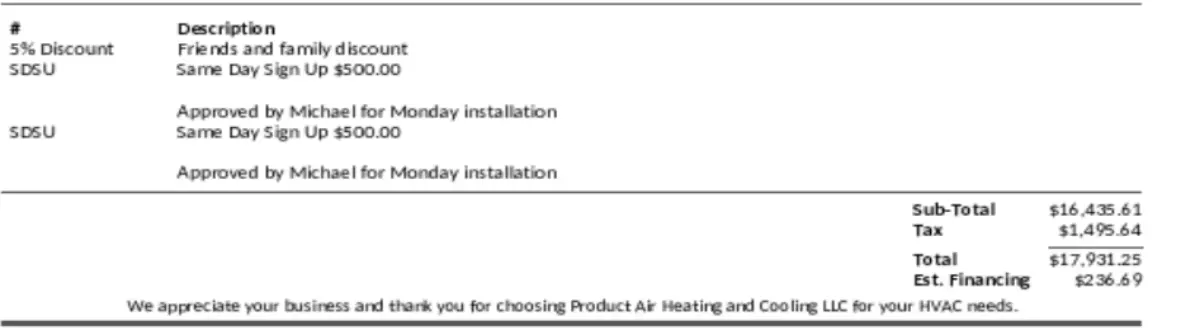
Cindy had two replacement paths in front of her. The Trane system was estimated at $17,931.25, while the Mitsubishi Hyper-Heat option came in at $22,157.56. She chose the Trane setup, which gave her the inverter heat pump, variable-speed air handler, and supplemental electric heat she needed without adding more than $4,200 for the Mitsubishi option.
Cindy’s final project cost was $16,435.61, paid out of pocket with no rebates applied. That total belongs to this specific Monroe installation and included the Trane Resolute equipment along with the documented electrical circuit modification.
Warranty Coverage on Cindy’s New Heat Pump
The new equipment comes with a 10-year manufacturer warranty. Product Air also provided a 5-year labor warranty. The installation is also backed by Product Air’s lifetime craftsmanship guarantee.
The manufacturer warranty applies to qualifying equipment and parts under the manufacturer’s terms. The labor warranty covers qualifying Product Air labor during the warranty period. The craftsmanship guarantee stands behind the quality of the installation itself.
What Cindy Got From the Replacement
Cindy started with a Lennox heat pump system that had failed and was no longer operational. She finished with a Trane Resolute system built around a 3-ton variable-speed air handler, an inverter heat pump, and supplemental electric heat.
As Cindy herself said, Product Air delivered excellent service from start to finish. The team was professional, organized, and easy to work with. Her new Trane system is much quieter, the installation went smoothly, and everyone from the technicians to the office staff was helpful throughout the process.
I could reduce this whole job to “we replaced a heat pump,” but that misses why Cindy chose this system in the first place. Her old equipment was dead, electric heat was getting expensive, and she wanted dependable heating and cooling again. The equipment only makes sense in the context of those problems.
Tech Brother Advice: Don’t Buy the Quote, Buy the Fit
Your house should decide which heat pump makes sense, not the biggest price tag. I’d pay extra only when the more expensive system solves something the cheaper option cannot.
Frequently Asked Questions: Heat Pump Replacement in Monroe, WA
Why can electric heat become expensive when a heat pump stops working?
Electric resistance heat turns electricity directly into heat, while a heat pump uses electricity to move heat into the house. A home can use noticeably more electricity when resistance heat has to carry most of the heating load instead of the heat pump. Cindy was already seeing that in her utility bills after the Lennox system failed, so restoring efficient heat-pump operation mattered just as much as getting summer cooling back.
What is the difference between a variable-speed air handler and an inverter heat pump?
The variable-speed air handler can adjust airflow rather than operating at only one fixed blower speed. The inverter heat pump can adjust compressor operation to better match the heating or cooling demand. Together, that gives the system more control over indoor comfort than a basic fixed-output setup.
Is the Trane Resolute considered a cold-climate heat pump?
The Product Air project notes identify Cindy’s Resolute system as a cold-climate option designed to continue heating in cooler outdoor conditions. The exact low-temperature capacity for this specific matched system should be taken from its manufacturer performance data rather than guessed from the case notes.
Why does the system still have a 10 kW electric heater?
The electric heater provides supplemental heat when the system calls for it. It does not mean the heat pump itself is electric-resistance heating. Cindy’s primary new HVAC equipment is the inverter heat pump, with the 10 kW heater installed as part of the overall system.
Did the heat pump replacement require electrical work?
Yes. Two Product Air electricians spent about two hours modifying the circuit during Cindy’s project. The case notes do not document the exact before-and-after breaker or wiring specifications, so those details should not be inferred.
How long did Cindy’s heat pump replacement take?
Two HVAC technicians spent about nine hours on site on July 13. The project also included approximately two hours of electrical work by two electricians.
How much did Cindy’s heat pump replacement cost?
The final project price was $16,435.61. No rebates were available, and Cindy paid the project cost out of pocket.
What warranty came with Cindy’s new Trane system?
The project includes a 10-year manufacturer warranty, 5-year Product Air labor warranty, and Product Air’s lifetime craftsmanship guarantee. The labor warranty documentation also provides a path to coverage of up to 10 years with the required yearly maintenance after the initial five-year period.
Key Takeaways
- A failed heat pump can leave a home relying much more on electric resistance heat, which can push electricity use noticeably higher
- An inverter heat pump can adjust compressor output as the load changes instead of running at one fixed capacity every time the thermostat calls
- A variable-speed air handler can change airflow to better match what the heat pump is doing and help the system maintain steadier indoor temperatures
- Supplemental electric heat can remain part of a heat pump system without becoming the home’s primary source of heat
- Replacing older HVAC equipment can require electrical circuit changes because the new system may have different electrical requirements
— Serg Nikolin, Co-Founder, Product Air Heating, Cooling and Electric
Marysville · Issaquah · Seattle · Western Washington
PLAN YOUR NEXT STEP
Need help with your home comfort?
Explore Product Air’s heat pumps services or contact the team.
Share this guide