

“Do I really need maintenance every year?”
It’s one of the most common questions homeowners ask, especially when their system seems to be running fine.
The straightforward answer: yes, once a year.
Not because something dramatic will happen tomorrow if you skip it. But because small, invisible issues compound over time and most major HVAC failures are preventable.
How Often Should You Service a Heat Pump or Air Conditioner?
For both heat pumps and air conditioners, the recommended frequency is once per year.
Heat pumps, in particular, run year-round, heating in winter and cooling in summer. That makes annual maintenance even more important. Air conditioners, which run seasonally, still require yearly inspection to ensure they’re ready for peak summer demand.
Skipping one year may not immediately damage the system. But repeated neglect increases wear, reduces efficiency, and shortens lifespan.
What Actually Happens When Maintenance Is Skipped?
Many homeowners assume that if something inside the refrigerant circuit isn’t broken, everything must be fine.
In reality, most deterioration happens on the exterior components and airflow systems.
1. Coil Clogging
Outdoor units collect dust, pollen, leaves, and debris. Even a thin layer of buildup on the coil reduces heat transfer.
A light dust coating alone can reduce efficiency by 20–30%.
When heat transfer drops, the compressor must work harder to achieve the same result. That added strain increases electrical consumption and accelerates wear.
2. Electrical Connections Loosening
Electrical terminals naturally expand and contract with temperature changes. Over time, wires can loosen.
One recent service call involved a loose wire that contacted the metal cabinet of the outdoor unit. The result: a failed compressor.
That type of failure is often preventable during routine inspection.
3. Restricted Airflow
Airflow is the backbone of HVAC performance.
When coils are dirty or filters are clogged:
- Motors overheat
- Compressors run longer
- Electrical components experience stress
All components are affected.
As Serg puts it, without maintenance, “all of them” degrade faster.
How Quickly Does Airflow Restriction Reduce Efficiency?
There isn’t a universal percentage for every home. But even minor buildup impacts performance quickly.
If airflow drops, heat exchange suffers. When heat exchange suffers, efficiency declines. When efficiency declines, runtime increases.
That cycle continues until either:
- Energy bills rise noticeably
- Comfort declines
- Or a component fails
Maintenance interrupts that cycle early.
Which Components Fail First Without Service?
While every part is affected by neglect, some fail sooner than others.
Motors
Fan motors rely on consistent airflow for cooling. Restricted airflow leads to overheating.
Electrical Components
Loose terminals and overheating shorten electrical lifespan.
Compressor
The most expensive component in the system.
Replacement can range from $3,500 to $5,000.
Compressor failures are often tied to airflow problems, dirty coils, or electrical issues: all detectable during maintenance and improper installation.
Does Skipping Maintenance Void Your Warranty?
Many manufacturers require documented annual service to maintain extended manufacture warranties.
Product Air provides a five-year labor warranty and stands behind installation quality. If a system fails within five years, it’s typically installation-related, not a maintenance issue.
However, for extended warranty periods beyond that, manufacturers often require proof of maintenance.
Annual service protects both performance and warranty coverage.
What Does a Proper Maintenance Visit Include?
Maintenance is more than replacing a filter.
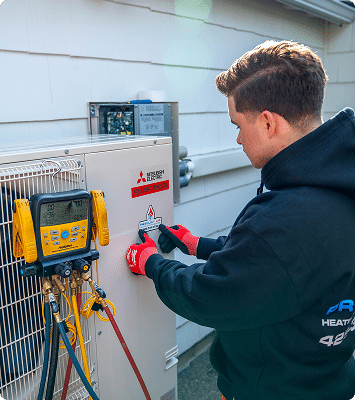
A comprehensive service visit should include:
- Coil inspection and cleaning
- Airflow measurement
- Electrical connection tightening
- Sensor performance checks
- Refrigerant level verification
- Leak inspection
- Confirming operation meets manufacturer specifications
It’s a full system evaluation, not a quick checklist.
Homeowners looking to schedule professional inspection and preventative service can learn more about comprehensive AC maintenance services here.
Regular maintenance reduces surprise breakdowns and extends equipment life.
If You Could Only Inspect One Thing
When asked which component predicts future failure best, Serg’s answer is simple:
The air filter.
A clogged filter restricts airflow. Restricted airflow strains the system. It’s the earliest and easiest indicator of system health.
Homeowners can:
- Check filters monthly
- Replace them as needed
- Keep return vents unobstructed
It’s a small action with measurable impact.
Heat Pumps vs Air Conditioners: Is Service Frequency Different?
Both require annual maintenance.
However, heat pumps operate year-round, which means their components experience more total runtime. In marine climates like Seattle, where outdoor units face moisture, debris, and temperature swings, annual inspection becomes even more important.
The recommendation remains consistent: once per year minimum.
The Most Expensive Preventable Breakdown
Compressor failure is often the costliest repair homeowners face.
At $3,500–$5,000, it’s rarely a minor inconvenience.
And in many cases, it begins with something simple:
- Dirty coils
- Restricted airflow
- Loose electrical connections
Maintenance doesn’t guarantee zero failures. But it significantly reduces preventable ones.
Maintenance Is Predictable. Breakdowns Are Not.
HVAC systems don’t fail randomly. They fail progressively.
Neglect allows minor inefficiencies to turn into major repairs. Annual maintenance keeps performance aligned with manufacturer specifications and extends lifespan.
Skipping one visit may not cause immediate damage. But building a pattern of consistent service protects comfort, efficiency, and long-term investment.
For most homeowners, one professional visit per year is a small commitment compared to the cost of premature system replacement.
Preventative care isn’t about fear. It’s about predictability.
PLAN YOUR NEXT STEP
Need help with your home comfort?
Explore Product Air’s heat pumps services or contact the team.
Share this guide