


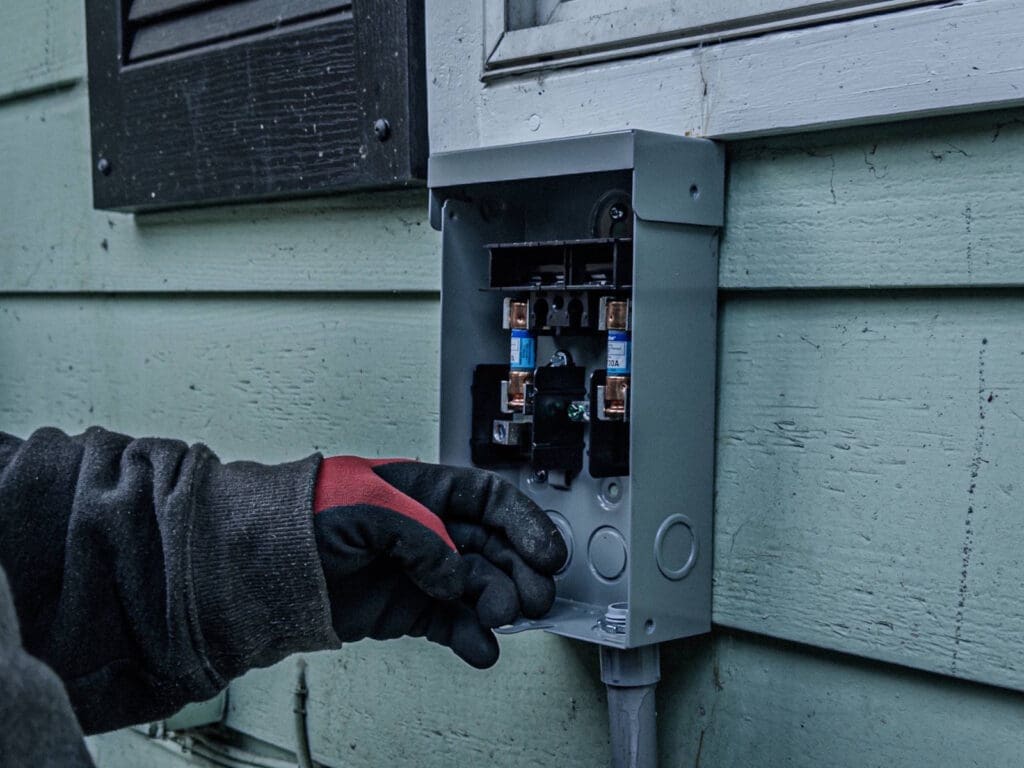
Outdoor electrical systems in Western Washington face conditions that homes in many other regions simply don’t.
Rain, wind, constant moisture in the air, and seasonal storms all take a toll on exterior outlets, fixtures, and service lines. While these systems are designed to handle exposure, they are not designed to be ignored.
“Moisture doesn’t need to be pouring into an outlet to cause damage,” says Sergey Nikolin, co-founder of Product Air Heating, Cooling, and Electric. “Even humidity in the air can create problems over time.”
Understanding how the climate affects outdoor electrical components is the first step in preventing larger issues.
How Western Washington’s Climate Impacts Outdoor Electrical Systems
Western Washington’s environment creates three main stress factors for exterior electrical equipment:
- Persistent rain and humidity
- Seasonal windstorms
- UV exposure during dry months
Humidity alone can be enough to cause corrosion. When moist air meets colder metal components inside an outlet box or fixture, condensation forms. That moisture may not be visible, but it begins oxidizing metal surfaces.
Corrosion increases electrical resistance. Resistance creates heat.
Over time, that heat can damage connections or insulation.
The Problem with Older Outdoor Outlet Covers
Many older homes still have exterior outlets protected by simple flap-style covers. These covers were common years ago but allowed moisture to seep inside when cords were plugged in.
“Those older covers didn’t seal well,” Sergey explains. “Moisture could get in and start corroding the connection.”
Modern code now requires weather-resistant (WR) covers and GFCI protection outdoors. These improvements significantly reduce risk when installed correctly.
What Happens When Water Gets Into Wiring
If water enters an outdoor outlet or fixture, several outcomes are possible.
In best-case scenarios, a properly functioning breaker or GFCI outlet trips immediately, cutting power and preventing further damage.
In other cases, corrosion builds slowly without triggering protection. That’s when issues develop quietly behind the scenes.
There is also a real shock hazard. Water conducts electricity efficiently. Using outdoor outlets while surfaces are wet increases the risk of injury if protection devices aren’t functioning properly.
Seasonal Electrical Problems in Western Washington
Certain outdoor electrical issues spike during specific times of year.
Fall Windstorms
During heavy wind events, electricians frequently see:
- Damaged meter masts
- Service lines pulled down by falling branches
- Feeders loosened or stressed by tree movement
Summer UV Exposure
When improper wiring materials are used outdoors, sun exposure can degrade insulation. Over time, insulation cracks and exposes conductors.
Year-Round Moisture
Constant humidity leads to:
- Rust inside electrical boxes
- Corrosion on terminals
- Gradual deterioration of connections
These issues may not be obvious until a failure occurs.
Why Decks, Garages, and Yards Pose Higher Risk
Outdoor electrical systems are often modified over time.
Homeowners may add lighting, extend circuits to sheds, or install new outlets for convenience. When incorrect materials are used(such as interior-rated wire outdoors, the system becomes vulnerable.
“Certain wires are designed to handle moisture and sun exposure,” Sergey says. “If the wrong material is used outside, it won’t last.”
Improper DIY setups increase both fire and shock risk.
Fire Risk vs. Shock Risk
Outdoor electrical failures present two separate dangers.
Fire Risk
- Corroded connections
- Increased resistance
- Heat buildup inside boxes
Shock Risk
- Wet conditions
- Missing or malfunctioning GFCI outlets
- Improper grounding
Modern code requirements exist to minimize both risks when followed properly.
The Role of GFCI and Weather-Resistant Outlets
Exterior outlets are now required to include:
- GFCI (Ground Fault Circuit Interrupter) protection
- Weather-resistant (WR) receptacles
- Approved exterior covers
GFCI outlets are designed to cut power immediately if they detect an imbalance, greatly reducing the chance of shock.
When installed correctly and inspected, the risk of injury is significantly reduced.
Insurance and Permit Considerations
Unpermitted electrical work outdoors can create complications later.
Insurance companies may question coverage if a fire or injury is traced back to uninspected work. During home sales, inspectors often flag exterior wiring that does not meet current code.
“When work is permitted and inspected, there’s documentation,” Sergey explains. “You did everything correctly. That protects the homeowner.”
Preventing Outdoor Electrical Problems
Outdoor electrical systems require proper materials and occasional evaluation.
Homeowners can reduce risk by:
- Installing weather-resistant covers
- Ensuring GFCI outlets are present and working
- Replacing visibly deteriorated wiring
- Scheduling professional inspections after major storms
Most importantly, exterior electrical work should be performed by someone familiar with current code and proper materials for wet and sun-exposed environments.
A Practical Approach to Outdoor Electrical Safety
Western Washington’s climate isn’t extreme. However, it is persistent. Rain, humidity, and wind gradually stress exterior systems year after year.
Small issues become larger ones when left unaddressed.
“Outdoor electrical needs to be done right from the start,” Sergey says. “With the right materials and proper inspection, the risk stays very low.”
In a region, where moisture is part of daily life, thoughtful electrical planning is simply part of responsible homeownership.