

Heat pumps are showing up everywhere in Washington. Homeowners hear about them from neighbors, utilities, and state programs, but many are still unsure what they really do or whether they make sense for their home.
According to Sergey Nikolin, co-founder of Product Air Heating, Cooling, and Electric, the growing interest isn’t hype. It’s a response to how Washington’s climate, energy costs, and housing needs are changing.
“If you’re looking to add a furnace and air conditioning, I recommend a heat pump,” Sergey says. “You get both heating and cooling, and you save on the bills.”
What a Heat Pump Actually Does
A heat pump doesn’t create heat. It moves energy.
“In science, there’s no such thing as hot or cold,” Sergey explains. “There’s just more or less energy. A heat pump collects energy from the air and moves it.”
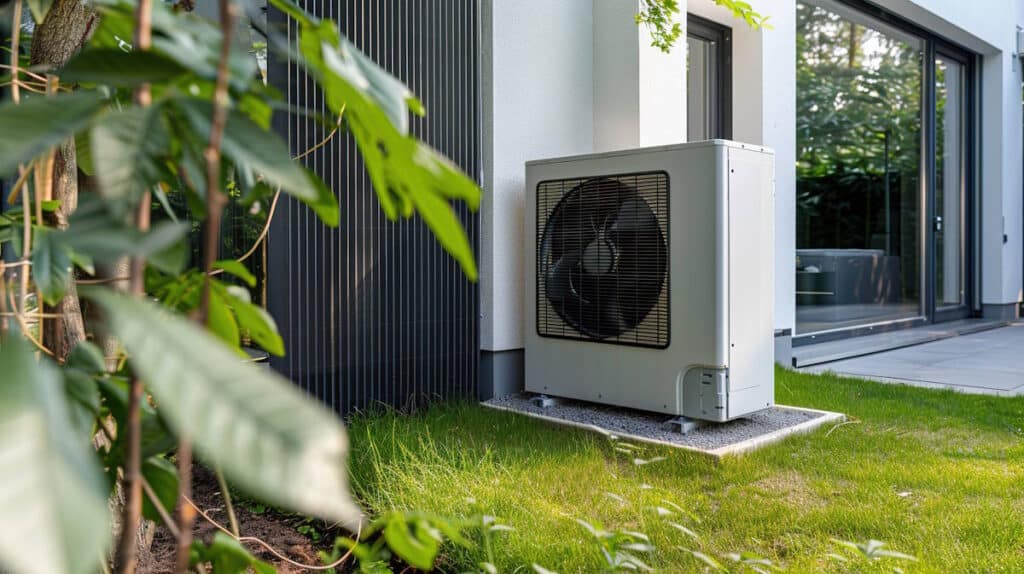
In winter, a heat pump pulls heat from outside air and brings it into the home. In summer, it does the opposite, moving heat out of the home just like an air conditioner.
“It works like central AC,” Sergey says. “But it heats in the winter.”
That single system replaces both a furnace and an air conditioner.
Why Heat Pumps Fit Washington’s Climate
Western Washington has mild winters, damp air, and increasingly warm summers. That combination makes heat pumps especially effective here.
“Gas is going up in cost, and electric heat is expensive to run,” Sergey says. “Our summers are getting warmer, so people are adding air conditioning. With a heat pump, you get both.”
Because heat pumps move energy instead of creating it, they use far less electricity than traditional electric heaters. That keeps utility bills lower, even though the system runs on electricity.
Comfort, Cost, and Environmental Benefits
For many homeowners, heat pumps offer the best balance of comfort and efficiency.
“If you’re going for comfort and to save, I recommend a heat pump,” Sergey says. “It gives you a well-balanced climate in the house.”
Heat pumps also align with Washington’s push to reduce gas use. As energy codes change and incentives shift, more homeowners are choosing systems that work with electricity instead of fossil fuels.
That makes heat pumps both a practical and forward-looking choice.
Humidity Control and Air Quality
Humidity matters in Western Washington. Damp air can lead to mold, discomfort, and damage to materials.
To remove humidity, air must be cooled so moisture can be condensed and removed. Heat pumps handle this the same way air conditioners do.
“To get rid of humidity, you need air conditioning,” Sergey explains. “Heat pumps do that.”
Most modern thermostats also track humidity and adjust automatically. If homeowners need more humidity during drier periods, accessories can be added to the system.
Different Types of Heat Pumps
Heat pumps come in several forms.
“There’s air-to-air, air-to-water, and water-to-water,” Sergey says. “Most residential homes use air-to-air.”
Air-to-air systems are the most cost-effective for homes and work well with both ducted and ductless setups. Larger buildings and high-rises may use other designs, but for most homeowners, air-to-air is the right fit.
Do Heat Pumps Work in Cold Weather?
This is one of the most common concerns.
Sergey closely follows performance data from manufacturers.
“I’m a bit of a data nerd,” he says. “When a new system comes out, I look at the performance charts.”
One brand stands out.
“Our most popular system is the Mitsubishi heat pump,” Sergey says. “That system is bulletproof for our climate. There’s nothing that performs better in cold snaps.”
Modern cold-climate heat pumps continue to produce heat even when temperatures drop well below freezing.
Installation and Emergency Situations
Product Air treats heat pump installations the same way it treats every project: by focusing on the homeowner’s situation.
“Some people replace systems because they don’t like the color,” Sergey says. “Some people replace them because they have no heat.”
When families, pets, or valuable belongings are at risk, the team works to make it happen.
“A woman called us the day before Thanksgiving,” Sergey says. “The guys worked until 1 a.m. to get her system running.”
Maintenance and Reliability
Heat pumps are reliable, but only if they are maintained.
“People spend $20,000 on a car and do oil changes and brakes,” Sergey says. “Then they spend the same on a heating system and never maintain it.”
Annual service keeps efficiency high, protects warranties, and prevents expensive failures.
Is a Heat Pump Right for You?
Heat pumps are a strong fit for most Western Washington homes, especially for homeowners who want:
- One system for heating and cooling
- Lower energy bills
- Better humidity control
- A future-ready, electric solution
“The best system is the one that fits your goals,” Sergey says. “But for this climate, heat pumps are hard to beat.”
Thinking about a heat pump for your home?
Product Air Heating, Cooling, and Electric serves homeowners across Snohomish, King, Island, and Skagit counties with heat pump, ductless, and central systems.Call (425) 344-3738 to schedule a consultation.